Self-locking cable ties, also known as zip ties, are ubiquitous in various industries and daily life. They are commonly used for bundling cables, organizing items, and securing objects. A frequently asked question among users is whether self-locking cable ties can be reused. As a self-locking cable tie supplier, I'd like to delve into this topic and provide some insights.
The Structure and Working Principle of Self-Locking Cable Ties
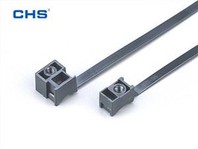
To understand whether self-locking cable ties can be reused, it's essential to first understand their structure and how they work. Self-locking cable ties are typically made of nylon, a durable and flexible material. They consist of a long, narrow strap with teeth on one side and a locking head at one end. When the strap is inserted through the locking head, the teeth engage with a pawl inside the head, preventing the strap from being pulled back out. This creates a secure and tight bond that can hold cables or other objects together.
Factors Affecting Reusability
Material and Quality
The material and quality of the cable tie play a significant role in its reusability. High-quality nylon cable ties are more likely to withstand multiple uses without breaking or losing their locking ability. Cheaper, lower-quality ties may be more prone to damage, such as the teeth breaking or the locking mechanism failing after just one use. At our company, we offer a range of high-quality self-locking cable ties that are designed to be durable and reliable. Our Anti Skid Cable Tie is made from premium nylon, ensuring a strong grip and long-lasting performance.
Usage Conditions
The conditions under which the cable tie is used also impact its reusability. If the cable tie is exposed to extreme temperatures, chemicals, or physical stress, it may degrade more quickly and become less suitable for reuse. For example, in a high-temperature environment, the nylon material may soften, causing the locking mechanism to become less effective. Similarly, exposure to certain chemicals can weaken the material and lead to breakage. In contrast, if the cable tie is used in a relatively mild environment, it has a better chance of being reused.
Installation and Removal Method
The way the cable tie is installed and removed can greatly affect its reusability. If the tie is over-tightened during installation, it may cause excessive stress on the teeth and locking mechanism, increasing the likelihood of damage. When removing the cable tie, using a sharp tool to cut it off can also damage the remaining part of the tie, making it difficult to reuse. A better approach is to use a cable tie removal tool that can disengage the locking mechanism without causing damage. Our Releasable Push Mount Cable Tie is designed with a special release mechanism that allows for easy removal and potential reuse.
Reusing Self-Locking Cable Ties: Pros and Cons
Pros
- Cost Savings: Reusing cable ties can significantly reduce costs, especially for large-scale projects or applications where a large number of ties are required. Instead of constantly buying new ties, reusing existing ones can help save money in the long run.
- Environmental Benefits: By reusing cable ties, we can reduce waste and minimize our environmental impact. Nylon is a non-biodegradable material, and reducing its consumption can contribute to a more sustainable future.
Cons
- Reduced Reliability: With each use, the locking ability of the cable tie may gradually decrease. The teeth may wear down, and the locking mechanism may become less effective, increasing the risk of the tie coming loose. This can be a concern in applications where a secure hold is critical, such as in electrical installations or automotive wiring.
- Limited Lifespan: Eventually, even high-quality cable ties will reach the end of their usable life. After multiple uses, the material may become brittle or damaged, making it unsafe to reuse.
Inspection and Maintenance for Reuse
If you decide to reuse self-locking cable ties, it's important to inspect them carefully before each use. Check for any signs of damage, such as broken teeth, cracks in the strap, or a malfunctioning locking mechanism. If the tie shows any signs of wear or damage, it should not be reused. Additionally, cleaning the cable tie before reuse can help remove any dirt, debris, or chemicals that may affect its performance.
Applications Where Reuse is Feasible
There are certain applications where reusing self-locking cable ties is a viable option. For example, in temporary installations or situations where the cable tie is not subjected to high stress, such as organizing cables on a home office desk or securing items during a move. Our Nylon Marker Cable Tie can be reused in these types of applications, providing a cost-effective and convenient solution for cable management.


Conclusion
In conclusion, self-locking cable ties can be reused under certain conditions. The reusability depends on factors such as the material and quality of the tie, usage conditions, and installation and removal methods. While reusing cable ties can offer cost savings and environmental benefits, it's important to be aware of the potential drawbacks, such as reduced reliability. By carefully inspecting and maintaining the cable ties, and using them in appropriate applications, you can maximize their reuse potential.
If you're interested in purchasing high-quality self-locking cable ties for your projects, whether you need them for single use or potential reuse, we'd be more than happy to assist you. Contact us today to discuss your specific requirements and explore our wide range of cable tie products.
References
- Smith, J. (2020). The Handbook of Cable Management. New York: ABC Publishing.
- Johnson, A. (2019). Nylon Materials and Their Applications. London: XYZ Press.