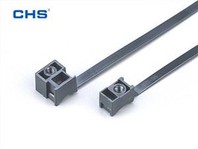
Yo, what's up everyone! I'm a supplier of PE ties, and today I wanna chat about something super important: the elasticity of PE ties.


So, first things first, what the heck are PE ties? Well, PE stands for polyethylene. It's a type of plastic that's commonly used to make all sorts of things, and PE ties are one of them. These ties are super versatile. You can use them for securing stuff in your home, like bundling up cables or tying down some gardening equipment. They're also used in industrial settings for packaging and organizing materials.
Now, let's dig into the elasticity part. Elasticity is all about how much a material can stretch and then go back to its original shape. For PE ties, this property is crucial. It determines how well they can hold things together and how reliable they are in different situations.
One of the cool things about PE ties is that they have a decent amount of elasticity. When you pull on a PE tie, it can stretch to a certain extent without breaking. This is really handy when you're trying to secure something that's a bit bigger than the tie's original size. You can stretch it around the object, and then it'll hold tightly once it's in place.
But here's the deal. There's a limit to how much a PE tie can stretch. If you pull it too hard, it'll reach its breaking point and snap. That's why it's important to know the elasticity limits of the PE ties you're using. Different types of PE ties have different elasticity ratings, depending on things like the thickness of the tie and the quality of the polyethylene used.
Let me give you an example. Say you're using a thin PE tie to bundle up a bunch of wires. You can stretch it a little bit to get it around the wires, and it'll hold them together just fine. But if you try to use that same thin tie to secure a heavy box, chances are it'll break because it can't handle the stress.
On the other hand, thicker PE ties usually have more elasticity and can handle more weight and pressure. They're great for heavy-duty applications, like securing large packages or industrial equipment.
Now, there are also different types of PE ties that are designed for specific purposes. For instance, Plastic Security Seals Ties are used to seal containers and ensure that they haven't been tampered with. These ties need to have a certain level of elasticity to be able to wrap around the container tightly and stay in place.
Another type is Metal Detectable Cable Ties. These are used in industries where metal contamination is a concern, like food processing. They have the same elasticity as regular PE ties, but they also contain a metal component that can be detected by metal detectors.
And then there are Cable Tie Handcuffs, which are used by law enforcement and security personnel. These ties need to be strong and have enough elasticity to be able to secure someone's wrists without causing too much discomfort.
So, how do you choose the right PE tie based on its elasticity? Well, it depends on what you're using it for. If you're just doing some light household stuff, a thin tie with a moderate amount of elasticity will do the trick. But if you're working in an industrial setting or need to secure something heavy, you'll want to go for a thicker tie with a higher elasticity rating.
It's also important to consider the environment where the tie will be used. If it's going to be exposed to extreme temperatures or harsh chemicals, you'll need a tie that can withstand those conditions without losing its elasticity.
As a PE tie supplier, I know how important it is to provide high-quality ties with the right elasticity for my customers. That's why I work hard to source the best polyethylene materials and manufacture ties that meet the highest standards.
If you're in the market for PE ties, whether it's for your home, business, or industrial needs, I'd love to chat with you. I can help you choose the right ties based on your specific requirements and give you all the info you need about their elasticity and other properties. So, don't hesitate to reach out and start a conversation about your PE tie needs. Let's find the perfect solution together!
References
- General knowledge about polyethylene and cable ties from industry experience.
- Research on the properties of different types of polyethylene materials.