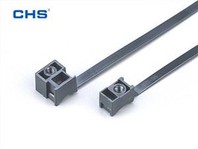
When it comes to the question of how long PE ties last, it's a topic that holds significant importance for businesses and individuals alike, especially those in need of reliable cable management solutions. As a PE ties supplier, I've had the opportunity to witness firsthand the diverse applications and performance of these products in various environments. In this blog post, I'll delve into the factors that influence the lifespan of PE ties, share insights based on real - world experience, and provide guidance on maximizing their durability.
Factors Affecting the Lifespan of PE Ties
Material Quality
The quality of the polyethylene (PE) used in manufacturing the ties is a fundamental factor. High - grade PE materials are more resistant to environmental stress, such as UV radiation, heat, and chemical exposure. Inferior materials may start to degrade prematurely, leading to a shorter lifespan. For instance, if the PE contains a high level of impurities, it can weaken the molecular structure of the tie, making it more prone to cracking and breaking. Our company takes great care in sourcing top - quality PE to ensure the longevity of our products. We conduct rigorous quality control checks at every stage of production to guarantee that only the best materials are used in manufacturing our Magic Cable Ties.
Environmental Conditions
The environment in which the PE ties are used plays a crucial role in determining their lifespan. Outdoor applications expose the ties to harsh weather conditions, including sunlight, rain, and extreme temperatures. UV radiation from the sun can cause the PE to become brittle over time, reducing its strength and flexibility. In contrast, indoor applications generally provide a more stable environment, which can extend the life of the ties. For example, if the ties are used in a factory with a controlled temperature and humidity, they are likely to last longer compared to those used in an outdoor construction site. Our Expand Plug Cable Ties are designed to withstand a wide range of environmental conditions, but it's still important to consider the specific environment when using them.
Tension and Load
The amount of tension applied to the PE ties and the load they are expected to bear also impact their lifespan. If the ties are over - tightened or are used to secure heavy objects beyond their recommended capacity, they may experience excessive stress, leading to premature failure. It's essential to choose the right size and strength of the ties for the specific application. For example, if you need to secure a bundle of thick cables, using a thin and weak tie will not be sufficient, and it may break under the weight of the cables. Our Self Locking Nylon Cable Ties come in a variety of sizes and strengths to meet different tension and load requirements.
Real - World Lifespan Estimates
Based on our experience and customer feedback, the lifespan of PE ties can vary widely depending on the factors mentioned above. In ideal indoor conditions, with proper installation and within the recommended load limits, PE ties can last for several years. For example, in a data center where the cables are neatly organized and the environment is controlled, the ties can maintain their integrity for 5 - 10 years.
However, in more challenging outdoor environments, the lifespan may be significantly shorter. In areas with high levels of UV radiation and extreme temperature fluctuations, the ties may start to show signs of degradation within 1 - 2 years. It's important to regularly inspect the ties in such environments and replace them as needed to ensure the safety and reliability of the cable management system.
Maximizing the Lifespan of PE Ties
Proper Installation
Proper installation is key to maximizing the lifespan of PE ties. Make sure to follow the manufacturer's instructions when tightening the ties. Over - tightening can cause the ties to break, while under - tightening may result in the cables coming loose. Use the appropriate tools, such as cable tie guns, to ensure consistent and accurate tightening.
Regular Inspection
Regularly inspect the PE ties for signs of wear and tear, such as cracking, brittleness, or discoloration. In outdoor applications, it's advisable to conduct inspections at least once a year, while in more critical indoor applications, inspections can be done more frequently. If any signs of damage are detected, replace the ties immediately to prevent further issues.
Choose the Right Product
Select the appropriate type of PE tie for the specific application. Consider factors such as the size of the cables, the environment, and the required load capacity. Our company offers a wide range of PE ties, including Magic Cable Ties, Expand Plug Cable Ties, and Self Locking Nylon Cable Ties, to meet different needs. Our team of experts can help you choose the right product for your project.
Conclusion
The lifespan of PE ties is influenced by multiple factors, including material quality, environmental conditions, tension, and load. By understanding these factors and taking appropriate measures to maximize their durability, you can ensure that your cable management system remains reliable and efficient for an extended period.


As a leading PE ties supplier, we are committed to providing high - quality products that meet the diverse needs of our customers. Our extensive range of PE ties is designed to offer long - lasting performance in various applications. If you are in the market for reliable cable ties, we invite you to contact us to discuss your specific requirements. Our team of professionals is ready to assist you in finding the perfect solution for your cable management needs.
References
- "Polyethylene: Properties, Processing, and Applications" - A comprehensive book on polyethylene materials and their applications.
- Industry reports on cable management and the performance of plastic ties in different environments.