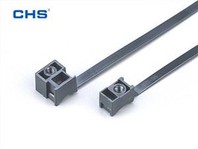
Hey there! As a supplier of Dual Lock Cable Ties, I often get asked about how these nifty little tools handle vibration. It's a crucial question, especially in industries where machinery shakes, rumbles, or vibrates constantly. So, let's dive right in and explore how Dual Lock Cable Ties stand up to the challenge of vibration.
Understanding the Basics of Dual Lock Cable Ties
First off, what are Dual Lock Cable Ties? Well, they're a type of cable tie designed with a unique locking mechanism. Unlike traditional cable ties that have a single-use ratchet system, Dual Lock Cable Ties can be opened and reused multiple times. This makes them super versatile and cost - effective in the long run.
These cable ties are made from high - quality materials, usually nylon, which gives them strength and durability. The dual - lock design provides a secure hold, ensuring that your cables, wires, or hoses stay in place. But how does this design fare when faced with vibration?
The Science Behind Vibration Resistance
Vibration can be a real headache for cable management. It can cause traditional cable ties to loosen over time, leading to cables coming loose, which can be a safety hazard and a maintenance nightmare. But Dual Lock Cable Ties are engineered to combat this problem.
The dual - lock mechanism creates a tight and consistent grip on the cables. When vibration occurs, the two interlocking parts of the tie work together to maintain their hold. The nylon material also plays a key role. Nylon has excellent elasticity and resilience, which means it can absorb and dissipate the energy from vibration.
Imagine a car engine. It vibrates constantly when running. If you were to use regular cable ties to secure the wires in the engine compartment, they'd likely start to loosen after a while. But with Dual Lock Cable Ties, the vibration energy is absorbed by the nylon, and the dual - lock mechanism keeps the tie firmly in place.
Real - World Applications
Let's look at some real - world scenarios where Dual Lock Cable Ties' vibration resistance comes in handy.
Industrial Machinery
In factories, heavy machinery vibrates as it operates. Cables and hoses need to be securely fastened to prevent damage and ensure smooth operation. Dual Lock Cable Ties can withstand the continuous vibration, keeping everything in place. For example, in a manufacturing plant where conveyor belts are constantly moving, these cable ties can secure the control cables, reducing the risk of downtime due to loose cables.
Automotive Industry
As mentioned earlier, cars and trucks have many vibrating components. From the engine to the suspension system, there's a lot of movement. Dual Lock Cable Ties are used to secure wiring harnesses, fuel lines, and other components. This not only improves safety but also reduces the need for frequent maintenance.
Aerospace
In airplanes, vibration is a constant factor. The engines, the airflow, and the movement of the aircraft all create vibration. Dual Lock Cable Ties are used to secure cables and wires in the avionics systems, ensuring reliable communication and control.
Comparing with Other Types of Cable Ties
It's always good to see how Dual Lock Cable Ties stack up against other types of cable ties when it comes to vibration resistance.
Push Mount Ties
Push Mount Ties are another popular option. They're easy to install and are great for quick cable management. However, they may not be as effective in high - vibration environments. The push - mount design relies on friction to hold the tie in place, and vibration can gradually reduce this friction, causing the tie to loosen.
In Line Cable Ties
In Line Cable Ties are often used for bundling multiple cables together. While they're strong, they may not have the same vibration - resistant properties as Dual Lock Cable Ties. The single - ratchet design can be more prone to loosening under vibration compared to the dual - lock mechanism.
Metal Detectable Cable Ties
Metal Detectable Cable Ties are designed for industries where metal contamination is a concern, like the food and pharmaceutical industries. While they offer some level of vibration resistance, the Dual Lock Cable Ties' unique design gives them an edge in maintaining a secure hold under continuous vibration.
Tips for Using Dual Lock Cable Ties in Vibration - Prone Areas
If you're planning to use Dual Lock Cable Ties in areas with high vibration, here are some tips:
- Proper Installation: Make sure to install the ties correctly. Ensure that the two locking parts are fully engaged for maximum grip.
- Regular Inspection: Even though Dual Lock Cable Ties are designed for vibration resistance, it's still a good idea to inspect them regularly. Look for any signs of wear or loosening.
- Choose the Right Size: Select the appropriate size of cable tie for your cables. A tie that's too small may not provide a secure hold, while one that's too large may not grip the cables tightly enough.
Why Choose Us as Your Supplier
As a supplier of Dual Lock Cable Ties, we offer high - quality products that are tested for vibration resistance. We understand the importance of reliable cable management, especially in high - vibration environments.
Our ties are made from top - grade nylon, and we use the latest manufacturing techniques to ensure the best performance. We also offer a wide range of sizes and colors to meet your specific needs.
If you're tired of dealing with loose cables due to vibration, it's time to switch to Dual Lock Cable Ties. Whether you're in the industrial, automotive, or aerospace industry, our ties can provide the solution you need.


Contact Us for Purchase and洽谈 (Oops, let's just say Contact Us for Purchase)
If you're interested in purchasing Dual Lock Cable Ties for your cable management needs, don't hesitate to get in touch. We're here to help you find the right products and answer any questions you may have. Whether you need a small quantity for a DIY project or a large order for an industrial application, we've got you covered.
References
- "Cable Management Handbook" - A comprehensive guide on cable management solutions and the effects of vibration on different types of cable ties.
- "Materials Science for Engineers" - This book explains the properties of nylon and how it contributes to the performance of cable ties in vibration - prone environments.
- Industry reports on cable management in automotive, industrial, and aerospace sectors, which highlight the importance of vibration - resistant cable ties.