As a leading supplier of cable tie handcuffs, I often receive inquiries about the tensile strength of these essential restraints. Understanding the tensile strength of cable tie handcuffs is crucial for ensuring their effectiveness and reliability in various applications. In this blog post, I will delve into the concept of tensile strength, explain how it relates to cable tie handcuffs, and provide insights into the factors that influence this important characteristic.
What is Tensile Strength?
Tensile strength is a fundamental mechanical property that measures the maximum amount of tensile (pulling) stress a material can withstand before breaking or failing. In the context of cable tie handcuffs, tensile strength refers to the force required to pull apart the cable tie or cause it to snap under tension. It is typically expressed in pounds-force (lbf) or newtons (N).
The tensile strength of a cable tie is determined by several factors, including the material composition, dimensions, and manufacturing process. Cable tie handcuffs are commonly made from nylon, a strong and durable thermoplastic known for its high tensile strength, resistance to abrasion, and flexibility. Nylon cable ties are available in various grades and sizes, each with its own unique tensile strength rating.
Importance of Tensile Strength in Cable Tie Handcuffs
The tensile strength of cable tie handcuffs is a critical factor in determining their suitability for different applications. In law enforcement and security settings, for example, cable tie handcuffs must be able to withstand significant force without breaking or loosening to ensure the safety of officers and the public. A cable tie with insufficient tensile strength may fail under stress, allowing a suspect to escape or causing injury to those involved.
In industrial and commercial applications, cable tie handcuffs are used to secure equipment, organize cables, and perform other tasks that require reliable restraint. A cable tie with low tensile strength may not be able to hold heavy objects or withstand the rigors of daily use, leading to equipment damage, downtime, and safety hazards.
Factors Affecting the Tensile Strength of Cable Tie Handcuffs
Several factors can influence the tensile strength of cable tie handcuffs, including:
- Material Composition: The type and grade of nylon used in the cable tie can have a significant impact on its tensile strength. Higher-quality nylon materials typically have higher tensile strength ratings than lower-grade materials.
- Dimensions: The thickness, width, and length of the cable tie can also affect its tensile strength. Thicker and wider cable ties generally have higher tensile strength ratings than thinner and narrower ones.
- Manufacturing Process: The manufacturing process used to produce the cable tie can also influence its tensile strength. Cable ties that are injection molded or extruded using high-quality equipment and techniques are likely to have more consistent and reliable tensile strength ratings than those produced using lower-quality methods.
- Environmental Conditions: The environmental conditions in which the cable tie is used can also affect its tensile strength. Exposure to extreme temperatures, moisture, chemicals, and UV radiation can weaken the cable tie over time, reducing its tensile strength and durability.
Tensile Strength Ratings of Cable Tie Handcuffs
Cable tie handcuffs are available in a range of tensile strength ratings to meet the needs of different applications. The tensile strength rating of a cable tie is typically indicated on the packaging or product specification sheet. Common tensile strength ratings for cable tie handcuffs range from 25 lbf to 200 lbf or more, depending on the size and grade of the cable tie.
When selecting cable tie handcuffs, it is important to choose a product with a tensile strength rating that is appropriate for the intended application. For example, law enforcement officers may require cable tie handcuffs with a high tensile strength rating of 100 lbf or more to ensure the safety of themselves and the public. Industrial and commercial users may choose cable tie handcuffs with a lower tensile strength rating of 25 lbf to 50 lbf for lighter-duty applications.
Our Cable Tie Handcuffs and Their Tensile Strength
At our company, we offer a wide range of cable tie handcuffs with varying tensile strength ratings to meet the diverse needs of our customers. Our cable tie handcuffs are made from high-quality nylon materials and are manufactured using state-of-the-art equipment and techniques to ensure consistent and reliable performance.
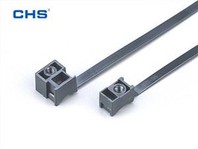
We offer Mounted Head Cable Tie, which are designed for easy installation and secure fastening. These cable ties have a strong locking mechanism and a high tensile strength rating, making them ideal for use in law enforcement, security, and industrial applications.


Our Releasable Nylon Cable Ties are another popular option. These cable ties can be easily released and reused, making them a cost-effective and convenient solution for temporary or adjustable restraint applications. Despite their releasable design, our releasable nylon cable ties still have a high tensile strength rating to ensure reliable performance.
We also provide Holder Cable Ties, which are designed to hold multiple cables or objects together. These cable ties have a unique holder design that allows for easy installation and adjustment, and they offer a high tensile strength to ensure secure fastening.
Conclusion
The tensile strength of cable tie handcuffs is a critical factor in determining their effectiveness and reliability in various applications. By understanding the concept of tensile strength, the factors that influence it, and the importance of choosing the right cable tie for the job, you can ensure that you are using the most appropriate cable tie handcuffs for your needs.
As a trusted supplier of cable tie handcuffs, we are committed to providing our customers with high-quality products that meet or exceed their expectations. Our cable tie handcuffs are available in a range of sizes, colors, and tensile strength ratings to meet the diverse needs of our customers. Whether you are a law enforcement officer, a security professional, or an industrial user, we have the cable tie handcuffs you need to get the job done.
If you are interested in learning more about our cable tie handcuffs or would like to discuss your specific requirements, please do not hesitate to contact us. Our team of experts is available to answer your questions, provide product recommendations, and assist you with your purchasing decision. We look forward to working with you and helping you find the perfect cable tie handcuffs for your application.
References
- Callister, W. D., & Rethwisch, D. G. (2010). Materials Science and Engineering: An Introduction. Wiley.
- Dieter, G. E. (1986). Mechanical Metallurgy. McGraw-Hill.
- Van Vlack, L. H. (1989). Elements of Materials Science and Engineering. Addison-Wesley.