When it comes to securing cables, wires, and other items, self-locking cable ties are an essential tool. As a trusted self-locking cable tie supplier, I often receive questions about the temperature range these ties can withstand. Understanding this critical parameter not only ensures the proper function of the cable ties but also guarantees the longevity and safety of the applications they are used in.
Understanding the Basics of Self-Locking Cable Ties
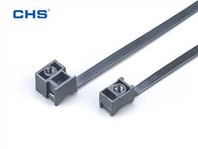
Self-locking cable ties, also known as zip ties, are fasteners that are used to secure items together. They have a flexible tape end with teeth that mesh with a pawl in the head of the tie, allowing the tie to be tightened and locked in place. Once tightened, the self-locking mechanism prevents the tie from loosening, providing a reliable and secure fastening solution.
These cable ties come in a variety of sizes, materials, and colors, making them suitable for a wide range of applications, from simple household tasks to complex industrial installations. The most common materials used for manufacturing self-locking cable ties are nylon, polypropylene, and stainless steel, each with its own set of properties and temperature resistance capabilities.
Temperature Range for Different Materials
Nylon Cable Ties
Nylon is one of the most popular materials for self-locking cable ties due to its excellent strength, flexibility, and resistance to abrasion. Nylon cable ties can generally withstand a temperature range from -40°F (-40°C) to 185°F (85°C). This wide temperature tolerance makes nylon cable ties suitable for a broad spectrum of applications, including indoor and outdoor use.
In colder temperatures, nylon retains its flexibility, ensuring that the cable ties do not become brittle and break. However, at very low temperatures approaching -40°F, the impact resistance of nylon may decrease slightly. On the high end, while nylon can handle temperatures up to 185°F, prolonged exposure to high heat can cause the material to slowly degrade over time, reducing its strength and integrity.
Polypropylene Cable Ties
Polypropylene cable ties are known for their lightweight and chemical resistance. They offer a more limited temperature range compared to nylon, typically from -20°F (-29°C) to 160°F (71°C). Polypropylene becomes stiffer in colder environments, and below -20°F, it can become very brittle and prone to cracking.
On the other hand, at higher temperatures, polypropylene starts to soften and lose its shape. If you need to use cable ties in an environment where chemicals are present and the temperature doesn't exceed the specified range, polypropylene cable ties could be a suitable option.


Stainless Steel Cable Ties
When it comes to extreme temperature applications, stainless steel cable ties are the go-to choice. They can withstand a much wider temperature range, from -200°F (-129°C) to 1000°F (538°C). Stainless steel cable ties are highly resistant to corrosion, oxidation, and extreme temperatures, making them ideal for use in aerospace, marine, and high-temperature industrial applications.
However, stainless steel cable ties are generally more expensive than their nylon and polypropylene counterparts, and they may not offer the same level of flexibility.
Factors Affecting Temperature Resistance
Beyond the material itself, several other factors can influence the temperature resistance of self-locking cable ties.
UV Exposure
Ultraviolet (UV) radiation from the sun can degrade the material of cable ties over time, especially nylon and polypropylene. Prolonged UV exposure can cause the cable ties to become brittle, reducing their ability to withstand temperature variations. If you are using cable ties outdoors, it's important to choose UV-stabilized versions.
Chemical Exposure
Certain chemicals can react with the material of the cable ties, altering their physical properties and reducing their temperature resistance. For example, strong acids or alkalis can corrode or dissolve the plastic in nylon and polypropylene cable ties. Before using cable ties in a chemical environment, always check the compatibility of the cable tie material with the chemicals present.
Duration of Temperature Exposure
The length of time the cable ties are exposed to high or low temperatures also matters. Short-term exposure to extreme temperatures may not cause significant damage, but prolonged exposure can lead to degradation of the material.
Choosing the Right Cable Ties for Your Temperature Needs
As a self-locking cable tie supplier, I understand the importance of selecting the right cable ties for your specific application. Here are some tips to help you make the right choice:
Assess the Temperature Range
First, determine the minimum and maximum temperatures your cable ties will be exposed to. Consider both the normal operating conditions and any potential extreme temperature scenarios. Based on this assessment, choose a cable tie material with a temperature range that comfortably covers your requirements.
Consider the Application Environment
In addition to temperature, think about other factors in the application environment, such as UV exposure, chemical exposure, and mechanical stress. If the cable ties will be used outdoors, opt for UV-stabilized nylon or stainless steel cable ties. If chemical resistance is a concern, polypropylene or stainless steel may be more suitable.
Evaluate the Required Strength and Flexibility
Different applications may require different levels of strength and flexibility. For heavy-duty applications where high strength is needed, nylon or stainless steel cable ties are a better choice. For applications where a more flexible cable tie is required, nylon or polypropylene may be more appropriate.
Our Product Range
We offer a wide variety of self-locking cable ties to meet your diverse needs. Whether you need Mounted Head Cable Tie for securing cables to a surface, Magic Cable Ties for quick and easy installation, or Saddle Mounting Cable Ties for mounting cables to a flat surface, we have you covered.
All our cable ties are manufactured using high-quality materials and strict quality control processes to ensure they can withstand the specified temperature ranges and perform reliably in your applications.
Contact Us for Your Cable Tie Needs
If you have any questions about the temperature range of our self-locking cable ties or need help selecting the right product for your application, please don't hesitate to contact us. We have a team of experienced professionals who can provide you with expert advice and guidance. Whether you're a small business or a large industrial enterprise, we are committed to offering you the best cable tie solutions at competitive prices.
References
- "Engineered Materials Handbook: Plastics", ASM International.
- Manufacturers' product data sheets for self-locking cable ties.
- Technical publications on the properties of nylon, polypropylene, and stainless steel.