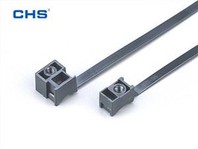
Hey there! As a supplier of chassis cable ties, I've seen firsthand the importance of proper cable tie labeling. It's not just about making things look neat; it's about safety, efficiency, and compliance. In this blog post, I'll share some recommended ways to label chassis cable ties, so you can keep your cables organized and your projects running smoothly.
Why Labeling Chassis Cable Ties Matters
First off, let's talk about why labeling is so crucial. When you're working with a bunch of cables, it can be a real headache to figure out which one is which. This is especially true in complex systems where a single misconnection can lead to major problems. Labeling your cable ties makes it easy to identify cables at a glance, reducing the risk of errors and saving you time during installation, maintenance, and troubleshooting.
Moreover, in many industries, there are strict regulations regarding cable management and labeling. Properly labeled cable ties help you meet these standards, ensuring that your work is compliant and safe. Whether you're in the automotive, aerospace, or electronics industry, accurate labeling is a must.
Types of Cable Ties for Labeling
Before we dive into the labeling methods, let's take a quick look at the different types of cable ties that are suitable for labeling.
- Stainless Steel Pawl Cable Ties: These cable ties are known for their strength and durability. They're made of stainless steel, which makes them resistant to corrosion and high temperatures. This makes them ideal for harsh environments where other types of cable ties might not hold up.
- Nylon Marker Cable Tie: Nylon marker cable ties are specifically designed for labeling. They come with a built-in marker area where you can write or print information about the cable. They're lightweight, flexible, and easy to use, making them a popular choice for a wide range of applications.
- Releasable Nylon Cable Ties: These cable ties can be easily released and reused, which is great if you need to make changes to your cable setup. They're also suitable for labeling, as you can attach a label to the tie or write directly on it.
Recommended Labeling Methods
Now, let's get into the meat of the matter: how to label your chassis cable ties. Here are some of the most effective methods:
1. Pre-Printed Labels
One of the easiest and most professional-looking ways to label cable ties is to use pre-printed labels. You can order these labels from a printing company or use a label printer to create your own. Pre-printed labels come in a variety of sizes, shapes, and colors, so you can choose the ones that best suit your needs.
To use pre-printed labels, simply cut them to the appropriate size and attach them to the cable tie. You can use adhesive labels or labels with a self-laminating feature to protect the information from smudging or fading.
2. Marker Pens
If you need to label cable ties on the spot, marker pens are a convenient option. You can use a permanent marker to write directly on the cable tie. Make sure to choose a marker that is resistant to fading and smudging, especially if the cable ties will be exposed to harsh conditions.
When using a marker pen, write clearly and legibly. You can use abbreviations or symbols to save space, but make sure that the information is still easy to understand.
3. Engraving
For a more permanent and professional-looking label, you can consider engraving the cable ties. Engraving involves using a laser or a mechanical engraving tool to etch the information onto the surface of the cable tie. This method is ideal for high-value or long-term projects where the labels need to last.
Engraving provides a clear and durable label that won't fade or wear off over time. However, it requires specialized equipment and may be more expensive than other labeling methods.
4. Color Coding
Color coding is a simple but effective way to label cable ties. You can assign different colors to different types of cables or systems, making it easy to identify them at a glance. For example, you might use red cable ties for power cables, blue for data cables, and green for ground cables.
To use color coding, you can either use cable ties that come in different colors or use colored tape or markers to mark the cable ties. Make sure to create a color-coding legend and keep it handy for reference.


Best Practices for Labeling
Here are some best practices to keep in mind when labeling chassis cable ties:
- Be Consistent: Use the same labeling method and format throughout your project. This will make it easier to read and understand the labels.
- Include Essential Information: Make sure to include all the necessary information on the labels, such as the cable type, destination, and any relevant warnings or instructions.
- Keep it Simple: Avoid using too much information or complex symbols on the labels. Keep the labels clear and easy to read.
- Test the Labels: Before applying the labels to all the cable ties, test them on a few samples to make sure that the information is legible and that the labels adhere properly.
- Maintain the Labels: Over time, the labels may fade or become damaged. Regularly check the labels and replace them if necessary to ensure that the information remains accurate.
Conclusion
Labeling chassis cable ties is an important part of cable management. By choosing the right type of cable ties and using the appropriate labeling methods, you can keep your cables organized, reduce the risk of errors, and ensure compliance with industry standards. Whether you're a professional installer or a DIY enthusiast, following these recommended labeling practices will help you get the job done right.
If you're in the market for high-quality chassis cable ties or need more information on cable tie labeling, feel free to reach out to us. We're here to help you find the best solutions for your cable management needs. Let's start a conversation and see how we can work together to make your projects a success!
References
- Cable Management Handbook, 3rd Edition
- Industry Standards for Cable Labeling and Identification