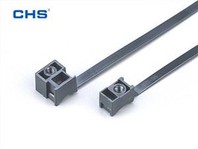
Hey there! As a supplier of PE ties, I know how crucial it is to transport these little wonders safely. PE ties, or polyethylene ties, are super versatile. You can use them for all sorts of stuff, from bundling cables at home to securing items in a warehouse. But getting them from point A to point B without any damage? That's the real challenge. So, let's dive into some tips on how to do it right.
Understanding the Nature of PE Ties
First things first, we need to understand what PE ties are made of and how they behave. Polyethylene is a type of plastic that's known for being tough and flexible. It can withstand a fair amount of wear and tear, but it's not indestructible. Extreme temperatures, sharp objects, and excessive pressure can all mess with your PE ties.
For example, if you expose PE ties to really high temperatures, they might start to melt or lose their shape. On the other hand, freezing temperatures can make them brittle and more likely to break. So, when planning the transportation, you've got to take the climate and storage conditions into account.
Packaging is Key
The way you package your PE ties can make or break their journey. You want to protect them from physical damage, moisture, and other environmental factors. Here are some packaging options that work well:
Boxes
Cardboard boxes are a classic choice. They're relatively cheap, easy to find, and can be customized to fit your PE ties. Make sure the boxes are sturdy enough to withstand the rigors of transportation. You can also add some cushioning material inside the boxes, like bubble wrap or packing peanuts, to provide extra protection.
Bags
Plastic bags are another option, especially for smaller quantities of PE ties. They're lightweight and can be sealed to keep out moisture. However, you need to be careful with plastic bags as they can tear easily. Consider using thicker, high-quality plastic bags and placing them inside a box for added protection.
Pallets
If you're shipping a large quantity of PE ties, pallets are a great way to go. They make it easier to move the ties around and can be stacked safely. Just make sure the pallets are in good condition and that the PE ties are properly secured to the pallets. You can use straps or shrink wrap to hold everything in place.
Labeling and Documentation
Proper labeling and documentation are essential for safe transportation. You need to clearly label the packages with information like the product name, quantity, and handling instructions. This helps the carriers and handlers know what they're dealing with and how to handle the packages correctly.
For example, if your PE ties are sensitive to temperature, you should label the packages with a temperature range and instructions to keep them within that range. You should also include your contact information in case there are any issues during transportation.
In addition to labeling, you need to have the right documentation. This includes a bill of lading, which details the contents of the shipment, and any necessary permits or certificates. Make sure all the documentation is accurate and up-to-date to avoid any delays or problems at customs.
Choosing the Right Carrier
Not all carriers are created equal. When transporting your PE ties, you want to choose a carrier that has a good reputation for safety and reliability. Look for carriers that have experience handling similar products and that offer insurance options.
You should also consider the carrier's transportation methods. For example, if your PE ties are sensitive to temperature, you might want to choose a carrier that offers temperature-controlled transportation. This can help ensure that your PE ties arrive in good condition.
Before you choose a carrier, get quotes from several different companies and compare their services and prices. Make sure you understand the terms and conditions of the transportation agreement, including any liability limits and insurance coverage.

Handling and Storage During Transportation
Once your PE ties are on the move, it's important to make sure they're handled and stored properly. Here are some tips:
Loading and Unloading
When loading and unloading the PE ties, be careful not to drop or damage the packages. Use proper lifting techniques and equipment to avoid any accidents. Make sure the packages are stacked evenly and securely to prevent them from shifting during transportation.
Storage
During transportation, the PE ties should be stored in a clean, dry, and well-ventilated area. Avoid storing them in direct sunlight or near sources of heat or moisture. If possible, keep the packages off the ground to prevent them from getting wet or damaged.
Monitoring
It's a good idea to monitor the transportation of your PE ties to make sure everything is going smoothly. You can use tracking devices to keep an eye on the location and condition of the shipment. If there are any issues, you can take action quickly to minimize the damage.
Special Considerations for Different Types of PE Ties
There are different types of PE ties available, each with its own unique characteristics. Here are some special considerations for transporting different types of PE ties:
Cable Tie Handcuffs
Cable tie handcuffs are designed for security purposes. They're usually made of a stronger type of polyethylene and have a special locking mechanism. When transporting cable tie handcuffs, you need to make sure they're properly secured and that the locking mechanism is protected. You might also need to comply with certain regulations regarding the transportation of security products.
Dual Lock Cable Ties
Dual lock cable ties have two locking mechanisms, which make them more secure. They're often used in applications where a high level of security is required. When transporting dual lock cable ties, you need to be careful not to damage the locking mechanisms. You might also want to package them separately to prevent them from getting tangled or damaged.
Self Locking Nylon Cable Tie
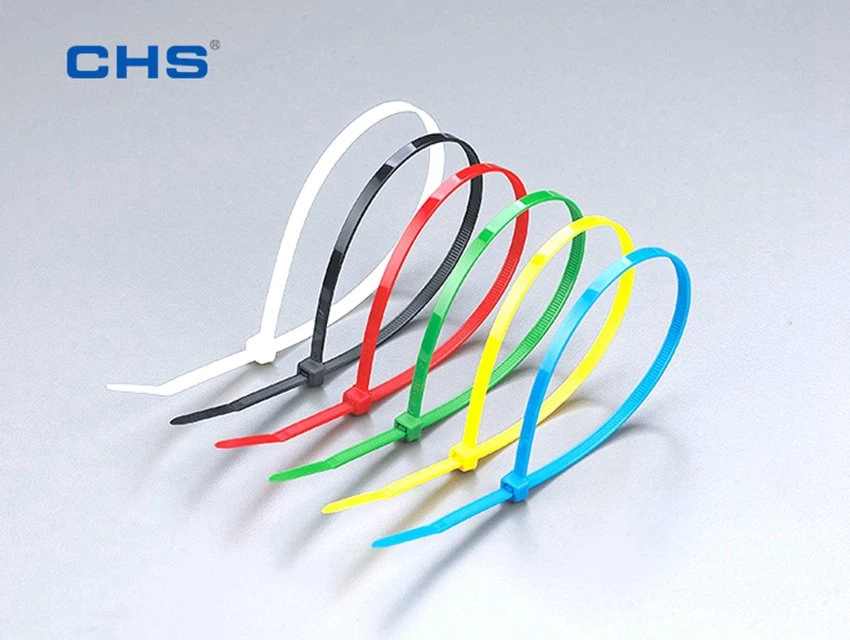
Self locking nylon cable ties are one of the most common types of PE ties. They're easy to use and can be tightened to a specific tension. When transporting self locking nylon cable ties, you need to make sure they're not over-tightened or damaged. You can also package them in a way that makes it easy to access and use them.
Conclusion
Transporting PE ties safely requires careful planning and attention to detail. By understanding the nature of PE ties, choosing the right packaging, labeling and documenting the shipment correctly, selecting the right carrier, and handling and storing the ties properly during transportation, you can ensure that your PE ties arrive at their destination in good condition.
If you're in the market for high-quality PE ties, I'd love to chat with you. Whether you need a small quantity for a DIY project or a large order for your business, I've got you covered. Just reach out, and we can discuss your specific needs and find the best solution for you.
References
- Packaging and Shipping Handbook. A comprehensive guide to packaging and shipping various products, including plastics.
- Transportation Regulations for Plastics. A document that outlines the regulations and requirements for transporting plastic products.