Hey there! As a supplier of Nylon Marker Cable Ties, I often get asked how strong these little wonders really are. Well, let's dive right in and explore the strength of nylon marker cable ties together.
First off, let's understand what nylon is. Nylon is a synthetic polymer known for its excellent mechanical properties. It's tough, durable, and has a high resistance to abrasion and chemicals. These qualities make it an ideal material for cable ties. And when it comes to marker cable ties, these characteristics are crucial as they need to hold up over time, often in challenging environments.
One of the key factors in determining the strength of nylon marker cable ties is the tensile strength. Tensile strength refers to the maximum amount of pulling force a cable tie can withstand before breaking. Most nylon marker cable ties on the market have a tensile strength that ranges from around 10 pounds to 50 pounds or more, depending on the size and design of the tie.
For light - duty applications, like organizing small cables in a home office or bundling a few cords around an entertainment system, cable ties with a lower tensile strength, say 10 - 20 pounds, are usually sufficient. They can easily hold a small bunch of cables together without snapping under normal use.
However, in industrial settings or for more heavy - duty applications, stronger cable ties are required. In factories, where large electrical cables need to be secured, or in automotive manufacturing, where wiring harnesses must be held in place, cable ties with a tensile strength of 30 pounds or more are commonly used. These stronger ties can withstand the constant vibrations, pulling, and bending that occur in such environments.
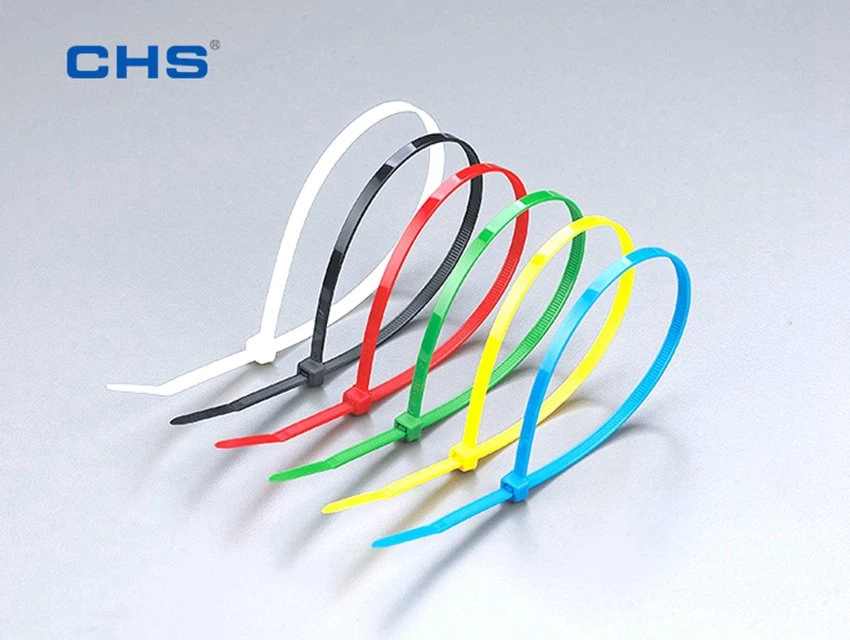
Another aspect that affects the strength of nylon marker cable ties is their construction. The design of the locking mechanism plays a huge role. A well - designed locking system ensures that the tie remains secure once fastened. Most nylon marker cable ties use a self - locking mechanism, similar to the ones in Self Locking Nylon Cable Tie. This type of lock provides a tight and reliable hold, preventing the tie from coming loose over time.
The thickness and width of the cable tie also contribute to its strength. Generally, thicker and wider cable ties are stronger. A wider tie distributes the pulling force over a larger area, reducing the stress on any one point. And a thicker tie has more material to resist the force, making it less likely to break.
Now, let's talk about the environmental factors. Nylon is a relatively stable material, but extreme temperatures can affect its strength. In very cold conditions, nylon can become brittle, which may reduce its tensile strength. On the other hand, in very hot environments, nylon can soften, which also weakens the cable tie. However, most high - quality nylon marker cable ties are designed to withstand a wide range of temperatures, typically from - 40°F to 185°F (- 40°C to 85°C).
UV exposure is another factor. Outdoor applications often expose cable ties to sunlight, and the UV rays can cause the nylon to degrade over time. To combat this, many cable ties are treated with UV stabilizers. These additives help to protect the nylon from the harmful effects of UV radiation, ensuring that the cable ties maintain their strength even after long - term outdoor use.
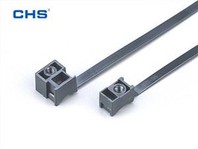
In addition to the standard self - locking nylon marker cable ties, there are also other types that offer different levels of strength and features. Saddle Mounting Cable Ties are designed to be mounted on surfaces. They provide a secure attachment point for cables and are often used in situations where the cables need to be held in a specific position. These ties usually have a strong base and a reliable locking system, making them suitable for applications where additional stability is required.
Mounted Head Cable Ties are also a popular option. They have a head that can be mounted on a surface, and the cable tie part is used to bundle the cables. The mounted head provides a solid anchor, and the cable tie can be easily tightened and adjusted as needed. These ties are commonly used in electrical installations and in machinery where wiring management is crucial.

So, how can you tell if a nylon marker cable tie is strong enough for your needs? Well, first, you need to assess the application. Determine the weight and number of cables you need to tie, as well as the environmental conditions they will be exposed to. If it's a light - duty, indoor application, you can probably get away with a weaker tie. But for heavy - duty, industrial, or outdoor applications, look for ties with a higher tensile strength and features like UV resistance.
You can also check the manufacturer's specifications. Reputable suppliers will provide detailed information about the tensile strength, temperature range, and other properties of their cable ties. This information will help you make an informed decision and choose the right cable tie for your project.
As a supplier of nylon marker cable ties, I'm here to offer you a wide range of options to meet your specific needs. Whether you need a small quantity for a home project or a large order for an industrial application, we've got you covered. Our cable ties are made from high - quality nylon and are designed to be strong, reliable, and long - lasting.
If you're interested in purchasing nylon marker cable ties, feel free to reach out to discuss your requirements. Our team of experts can help you select the right type and size of cable ties for your particular application. We pride ourselves on providing excellent customer service and competitive prices.
In conclusion, nylon marker cable ties are incredibly strong and versatile. Their strength comes from the properties of nylon, the design of the locking mechanism, and the construction of the tie itself. By considering the application, environmental factors, and manufacturer's specifications, you can choose the perfect cable tie for your needs. Don't hesitate to contact us to start the procurement process and get the best nylon marker cable ties in the market.
References
- General knowledge about cable tie materials and engineering principles.
- Industry standards and guidelines for nylon cable tie manufacturing.