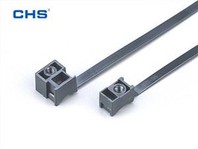
As a seasoned nylon cable tie supplier, I've witnessed firsthand the incredible versatility and practicality of these humble yet indispensable tools. Nylon cable ties, also known as zip ties, are used in a wide range of industries and applications to bundle, organize, and secure cables of all sizes. In this blog post, I'll share some expert tips and techniques on how to use nylon cable ties effectively to manage cables of different sizes, ensuring a neat, organized, and safe environment.
Understanding Nylon Cable Ties
Before we dive into the practical aspects of using nylon cable ties, it's essential to understand their basic features and characteristics. Nylon cable ties are typically made from a durable and flexible nylon material, which offers excellent strength, resistance to abrasion, and the ability to withstand a wide range of temperatures. They come in various lengths, widths, and colors, allowing you to choose the right tie for your specific application.
One of the key advantages of nylon cable ties is their ease of use. They feature a simple locking mechanism that allows you to quickly and securely fasten them around cables. Once tightened, the tie cannot be easily removed, providing a reliable and long-lasting solution for cable management.
Selecting the Right Nylon Cable Tie
The first step in using nylon cable ties to bundle cables of different sizes is to select the right tie for the job. Consider the following factors when choosing a cable tie:
- Length: The length of the cable tie should be sufficient to wrap around the cables and allow for some extra length to ensure a secure fit. Measure the circumference of the cables you need to bundle and choose a tie that is at least 2-3 inches longer.
- Width: The width of the cable tie determines its strength and load capacity. For larger cables or heavier bundles, choose a wider tie to ensure it can handle the weight and tension.
- Strength Rating: Cable ties are rated based on their tensile strength, which indicates the maximum amount of force they can withstand before breaking. Select a tie with a strength rating that is appropriate for the size and weight of the cables you are bundling.
- Color: While color is not a critical factor in cable tie performance, it can be useful for organizing and identifying different cables or bundles. Choose a color that contrasts with the cables to make them more visible.
Bundling Cables of Different Sizes
Once you have selected the right nylon cable tie, it's time to start bundling the cables. Follow these steps for effective cable bundling:
- Prepare the Cables: Before bundling the cables, make sure they are clean, dry, and free of any debris or obstructions. Straighten out any kinks or bends in the cables to ensure a smooth and even bundle.
- Group the Cables: Group the cables by size, type, or function to make the bundling process more organized and efficient. You can use different colors or labels to identify the different groups.
- Insert the Cable Tie: Slide the end of the cable tie through the locking mechanism, leaving a small loop at the end. Place the loop around the cables you want to bundle, making sure it is centered and evenly distributed.
- Tighten the Cable Tie: Pull the end of the cable tie firmly to tighten it around the cables. Make sure the tie is snug but not too tight, as this can damage the cables or cause them to break. Use a cable tie tool or pliers to help you tighten the tie if necessary.
- Trim the Excess: Once the cable tie is tightened, use a pair of scissors or a cable tie cutter to trim off the excess length. Leave a small amount of excess to prevent the tie from coming loose.
Special Considerations for Different Cable Sizes
When bundling cables of different sizes, you may need to take some additional precautions to ensure a secure and effective bundle. Here are some tips for bundling cables of different sizes:
- Small Cables: For small cables, such as Ethernet cables or USB cables, you can use multiple cable ties to create a more secure bundle. Wrap the ties around the cables at regular intervals to prevent them from slipping or coming loose.
- Large Cables: For larger cables, such as power cables or coaxial cables, you may need to use wider and stronger cable ties. Make sure the tie is wrapped tightly around the cables to prevent them from moving or shifting.
- Mixed Sizes: When bundling cables of different sizes together, start by grouping the cables by size and then bundle them together using a larger cable tie. This will help to ensure a more even and secure bundle.
Using Specialized Cable Ties
In addition to standard nylon cable ties, there are also specialized cable ties available for specific applications. Here are some examples of specialized cable ties and how they can be used to bundle cables of different sizes:


- Plastic Security Seals Ties: These ties are designed to provide a high level of security and tamper resistance. They feature a unique locking mechanism that cannot be easily removed without damaging the tie. Plastic security seals ties are commonly used in applications where security is a concern, such as in the transportation or storage of valuable equipment.
- Chassis Cable Ties: These ties are specifically designed for use in automotive and industrial applications. They are made from a high-strength nylon material and feature a special locking mechanism that provides a secure and vibration-resistant hold. Chassis cable ties are commonly used to bundle cables in vehicles, machinery, and other equipment.
- Mounted Head Cable Tie: These ties are designed to be mounted to a surface, such as a wall, panel, or chassis. They feature a pre-mounted head that provides a convenient and secure way to attach the tie to the surface. Mounted head cable ties are commonly used in applications where cables need to be organized and secured in a specific location.
Maintenance and Inspection
Once you have bundled the cables using nylon cable ties, it's important to perform regular maintenance and inspection to ensure the ties are still in good condition and providing a secure hold. Here are some tips for maintaining and inspecting cable ties:
- Check for Damage: Regularly inspect the cable ties for any signs of damage, such as cracks, breaks, or fraying. If you notice any damage, replace the tie immediately to prevent the cables from coming loose.
- Tighten Loose Ties: Over time, the cable ties may loosen due to vibration, temperature changes, or other factors. Check the ties periodically and tighten any that have become loose to ensure a secure hold.
- Replace Worn Ties: Cable ties have a limited lifespan and may need to be replaced periodically. If you notice that the ties are starting to show signs of wear or degradation, replace them with new ties to ensure the continued safety and reliability of the cable bundle.
Conclusion
Using nylon cable ties to bundle cables of different sizes is a simple and effective way to organize and secure your cables. By selecting the right tie for the job, following the proper bundling techniques, and performing regular maintenance and inspection, you can ensure a neat, organized, and safe cable management system.
If you are in need of high-quality nylon cable ties for your cable management needs, look no further. As a leading supplier of nylon cable ties, we offer a wide range of ties in various sizes, strengths, and colors to meet your specific requirements. Contact us today to discuss your cable tie needs and let us help you find the perfect solution for your application.
References
- "Cable Tie Basics." Panduit.
- "How to Use Cable Ties." Ideal Industries.
- "Nylon Cable Ties: A Comprehensive Guide." TE Connectivity.