Adjusting the tension of buckle cable ties is a crucial skill, especially for those in industries where cable management is essential. As a supplier of high - quality buckle cable ties, I understand the importance of getting the tension right. In this blog, I'll share some in - depth knowledge about how to adjust the tension of these useful tools.
Understanding Buckle Cable Ties
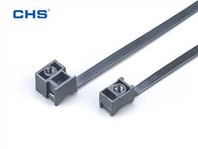
Before diving into tension adjustment, it's important to understand what buckle cable ties are. They are fasteners used to bundle items together, most commonly cables. The buckle design allows for easy installation and, in some cases, removal or re - adjustment. There are different types of buckle cable ties, each with its own unique features and applications. For example, the Releasable Push Mount Cable Tie is designed for easy installation and removal, making it ideal for temporary cable management. The Double Locking Cable Tie provides extra security with its double - locking mechanism, suitable for more permanent and heavy - duty applications. And the Nylon Marker Cable Tie not only bundles cables but also allows for easy identification with its marking area.
Why Tension Adjustment Matters
The correct tension of a cable tie is vital for several reasons. Firstly, if the tension is too loose, the cables may come loose over time, leading to a messy and potentially unsafe cable arrangement. Loose cable ties can also cause cables to move around, which may result in damage to the cables themselves or interference with other equipment. On the other hand, if the tension is too tight, it can damage the cables by cutting into their insulation, or even break the cable tie itself. This can lead to premature failure and the need for frequent replacements.
Tools for Tension Adjustment
To adjust the tension of buckle cable ties, you don't always need specialized tools. In many cases, you can use your hands. However, for more precise and consistent tension adjustment, especially in industrial settings, there are some useful tools available.
- Cable Tie Guns: These are power - assisted tools that can quickly and accurately adjust the tension of cable ties. They come in different types, including manual and electric models. Manual cable tie guns are suitable for light - to - medium - duty applications, while electric ones are more powerful and can handle larger cable ties and higher tensions.
- Tensioning Pliers: Tensioning pliers are a more affordable and portable option. They allow you to grip the cable tie and adjust the tension by hand. They are great for small - scale projects or for making on - the - spot adjustments.
Step - by - Step Guide to Adjusting Tension
Step 1: Select the Right Cable Tie
The first step is to choose the appropriate cable tie for your application. Consider factors such as the size and number of cables you need to bundle, the environment in which the cable tie will be used (e.g., indoor or outdoor, high - temperature or low - temperature), and the required level of tension.
Step 2: Insert the Cable Tie
Pass the tail of the cable tie through the buckle. Make sure the cables are properly positioned inside the loop formed by the cable tie. If you're using a cable tie with a locking mechanism, ensure that it engages correctly.
Step 3: Initial Tightening
Use your hands to pull the tail of the cable tie to create an initial loop around the cables. Pull gently but firmly until the loop is snug around the cables. This initial tightening gives you a starting point for further adjustment.
Step 4: Using Tools for Adjustment
- If using a cable tie gun: Place the cable tie gun over the cable tie. Most cable tie guns have a mechanism that allows you to set the desired tension. Once set, squeeze the handle of the gun. The gun will automatically pull the tail of the cable tie to achieve the set tension and then cut off the excess tail.
- If using tensioning pliers: Grip the cable tie near the buckle with the pliers. Use the pliers to pull the tail of the cable tie to increase the tension. You can make small, incremental adjustments until you reach the desired tension.
Step 5: Checking the Tension
After adjusting the tension, it's important to check if it's correct. The cable tie should hold the cables firmly in place without causing any visible damage to the cables. You can gently tug on the cables to ensure they are secure. If the tension is too loose, repeat the adjustment process. If it's too tight, you may need to cut the cable tie and start over with a new one.


Factors Affecting Tension Adjustment
- Cable Material and Size: Different cable materials have different levels of flexibility and strength. For example, thicker cables may require more tension to hold them securely, while thinner or more delicate cables need to be tightened more carefully to avoid damage.
- Environmental Conditions: In high - temperature environments, cable ties may expand, which can cause the tension to loosen over time. In cold temperatures, cable ties may become more brittle, so it's important not to over - tighten them.
- Application Requirements: Some applications, such as those in the aerospace or automotive industries, have strict requirements for cable tie tension. In these cases, it's essential to follow industry standards and guidelines.
Tips for Optimal Tension Adjustment
- Practice Makes Perfect: Adjusting cable tie tension is a skill that improves with practice. Start with small projects and gradually work your way up to more complex ones.
- Keep Spare Cable Ties Handy: In case you make a mistake and over - tighten or damage a cable tie, having spare ones on hand allows you to quickly replace them.
- Inspect Regularly: Periodically check the tension of cable ties, especially in applications where vibrations or temperature changes are common. This can help prevent problems before they occur.
As a supplier of buckle cable ties, we offer a wide range of products to meet your needs. Whether you're looking for a simple cable tie for home use or a heavy - duty one for industrial applications, we have the right solution for you. If you're interested in purchasing our high - quality buckle cable ties or have any questions about tension adjustment or our products, we encourage you to contact us for a procurement discussion. We're here to help you find the best cable management solutions for your projects.
References
- "Cable Tie Installation and Use Guide", Industry Standard Handbook
- "Best Practices in Cable Management", Professional Electrical Magazine