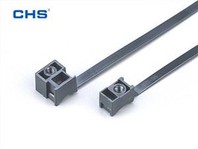
Yo! I'm a supplier of In Line Cable Ties, and today I wanna chat about how these little guys perform in windy conditions. You know, cable ties are super handy in a bunch of different situations, but when the wind starts blowing, things can get a bit tricky.
First off, let's talk about what In Line Cable Ties are. They're basically a type of cable tie that's designed to be used in a continuous line. This makes them great for bundling up multiple cables or wires together. They come in different sizes and materials, but the most common ones are made of nylon. Nylon is a strong and durable material that can withstand a lot of wear and tear.
So, how do In Line Cable Ties hold up in windy conditions? Well, it really depends on a few factors. One of the most important factors is the strength of the wind. If the wind is just a light breeze, then the cable ties should be able to hold up just fine. But if the wind is really strong, like in a hurricane or a severe storm, then things might get a bit more complicated.
Another factor to consider is the type of cable tie you're using. Some cable ties are designed to be more flexible, while others are more rigid. Flexible cable ties are better at adapting to changes in the wind direction, but they might not be as strong as rigid cable ties. Rigid cable ties, on the other hand, are better at holding their shape in strong winds, but they might be more prone to breaking if they're bent too much.
The way you install the cable ties also plays a big role in how they perform in windy conditions. If you don't install them correctly, then they might not be able to hold up as well. Make sure you're using the right size cable tie for the job, and that you're tightening it enough to hold the cables or wires securely. But don't over-tighten it, either, because that can cause the cable tie to break.


Now, let's take a closer look at some specific types of In Line Cable Ties and how they perform in windy conditions.
Beaded Cable Ties
Beaded Cable Ties are a popular type of cable tie that have small beads along the length of the tie. These beads help to provide extra grip and prevent the cable tie from slipping. In windy conditions, the beads can also help to reduce the amount of movement and vibration, which can help to prevent the cable tie from loosening or breaking.
However, beaded cable ties might not be the best choice in extremely strong winds. The beads can create a bit of drag, which can make the cable tie more susceptible to being blown around. If you're in an area with really strong winds, you might want to consider using a different type of cable tie.
Chassis Cable Ties
Chassis Cable Ties are designed to be used in automotive and industrial applications. They're typically made of a more rigid material than other types of cable ties, which makes them better at holding their shape in strong winds.
Chassis cable ties also have a special design that allows them to be easily installed and removed. This can be really useful in windy conditions, because you might need to make adjustments to the cables or wires if they start to move around. However, because they're more rigid, they might be more prone to breaking if they're bent too much.
Metal Detectable Cable Ties
Metal Detectable Cable Ties are a type of cable tie that contain a small amount of metal, which makes them detectable by metal detectors. These cable ties are often used in food processing and pharmaceutical industries, where it's important to be able to detect any foreign objects that might get into the product.
In windy conditions, metal detectable cable ties should perform similarly to other types of cable ties. However, the metal in the cable tie might make it a bit heavier, which could make it more susceptible to being blown around. If you're using metal detectable cable ties in an area with strong winds, you might want to make sure they're installed securely.
So, what can you do to make sure your In Line Cable Ties perform well in windy conditions? Here are a few tips:
- Choose the right type of cable tie: As we mentioned earlier, different types of cable ties are better suited for different conditions. Make sure you're using the right type of cable tie for the job, and that it's strong enough to withstand the wind.
- Install the cable ties correctly: This is really important. Make sure you're using the right size cable tie for the cables or wires you're bundling, and that you're tightening it enough to hold them securely. But don't over-tighten it, either.
- Use additional support: If you're in an area with really strong winds, you might want to consider using additional support, like brackets or clips, to help hold the cables or wires in place.
- Inspect the cable ties regularly: Check the cable ties regularly to make sure they're still holding up. If you notice any signs of wear or damage, replace the cable tie as soon as possible.
In conclusion, In Line Cable Ties can perform well in windy conditions, but it really depends on a few factors. By choosing the right type of cable tie, installing it correctly, and taking a few extra precautions, you can make sure your cables and wires stay secure, even in the windiest of conditions.
If you're interested in purchasing In Line Cable Ties or have any questions about how they perform in different conditions, feel free to reach out. I'm here to help you find the right solution for your needs.
References
- "Cable Ties: A Comprehensive Guide." Industrial Supply Magazine.
- "Wind Effects on Cable Management Systems." Journal of Engineering and Construction.