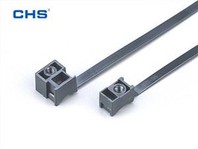
Hey there! As a supplier of Round Head Cable Ties, I've seen firsthand the issue of over - tightening these little guys. It's a common problem that can lead to all sorts of headaches, from damaged cables to a shorter lifespan of the cable ties themselves. So, let's dive into how you can avoid over - tightening round head cable ties.


Understanding the Problem
First off, why is over - tightening such a big deal? Well, when you over - tighten a round head cable tie, you're putting excessive pressure on the cables or objects you're tying up. This can cause the insulation of the cables to crack, which might lead to electrical shorts or signal interference if you're dealing with data cables.
Moreover, over - tightening can also cause the cable tie itself to break. Round head cable ties are designed to hold a certain amount of tension, and when you push them beyond their limits, the locking mechanism can fail, or the tie can snap. This not only means you have to replace the cable tie but also wastes your time and money.
Using the Right Tools
One of the easiest ways to avoid over - tightening is to use the right tools. There are special cable tie guns available that are designed to apply the correct amount of tension. These guns usually have adjustable settings, so you can set the tension according to the size and type of cable tie you're using.
For example, if you're using a small - sized round head cable tie, you can set the gun to a lower tension setting. On the other hand, for larger cable ties, you can increase the tension slightly. This way, you can ensure that the cable tie is tightened just enough to hold the cables securely without over - doing it.
Manual Tightening Techniques
If you don't have a cable tie gun, you can still tighten round head cable ties manually. But you need to be extra careful. Start by inserting the end of the cable tie through the head and pulling it gently. As you pull, pay attention to the resistance. You'll feel a point where the tie starts to get tight. At this point, stop pulling and give it a little tug to make sure it's secure.
Don't try to pull it as tight as you can right away. It's better to make multiple small adjustments rather than one big pull. This gives you more control over the tension and reduces the risk of over - tightening.
Knowing the Capacity of Your Cable Ties
Not all round head cable ties are created equal. Different sizes and materials have different load - bearing capacities. Before you start using a cable tie, check its specifications. Most cable ties come with information about their maximum tension or load capacity.
For instance, if you're tying up a bundle of thick power cables, you'll need a cable tie with a higher load capacity. Using a cable tie that's too small for the job will likely lead to over - tightening as you try to get it to hold the cables securely. So, make sure you choose the right cable tie for the task at hand.
Other Types of Cable Ties
In addition to round head cable ties, there are other types of cable ties available that might be more suitable for certain applications. Check out our Self Locking Nylon Cable Ties, Buckle Cable Ties, and Magic Cable Ties. Each type has its own unique features and advantages, and they might offer better solutions in some cases.
Training and Education
If you're working in a team, it's important to provide training on how to properly use cable ties. Make sure everyone understands the risks of over - tightening and knows the correct techniques for tightening cable ties. This can help reduce the number of over - tightened cable ties in your projects.
You can also create a set of guidelines or a checklist for cable tie installation. This can serve as a reminder for your team members and ensure that they follow the best practices.
Quality Assurance
Finally, implement a quality assurance process. After the cable ties are installed, do a quick inspection. Look for signs of over - tightening, such as broken cable ties, damaged cables, or excessive tension. If you find any issues, correct them immediately.
This not only helps you catch problems early but also improves the overall quality of your work. And it shows your customers that you take pride in what you do and are committed to delivering high - quality products and services.
Conclusion
Avoiding over - tightening round head cable ties is all about using the right tools, techniques, and cable ties. By following these tips, you can ensure that your cable ties are tightened just right, which will not only protect your cables but also save you time and money in the long run.
If you're interested in purchasing high - quality round head cable ties or any of our other cable tie products, feel free to reach out for a purchase negotiation. We're always happy to work with you to find the best solutions for your needs.
References
- Cable Tie Manufacturer's Guides
- Industry Standards for Cable Tie Installation