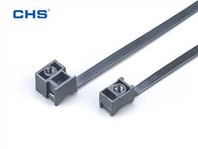
Yo, what's up everyone! As a supplier of PE ties, I've gotten tons of questions from customers over the years. One of the most common ones is, "Do PE ties stretch over time?" Well, let's dive right into this topic and figure it out.
First off, let's talk about what PE ties are. PE stands for polyethylene, which is a type of plastic. These ties are super popular because they're strong, flexible, and can be used in a whole bunch of different situations. You can use them to bundle cables, secure items in your car, or even in some industrial settings. They come in different sizes and colors, so you can choose the one that suits your needs best.
Now, back to the main question: do they stretch over time? The short answer is yes, but it depends on a few factors.
Factors Affecting Stretch
1. Temperature
Temperature plays a huge role in how PE ties behave. When it's hot, the plastic in the PE ties becomes more malleable. You know how when you heat up plastic, it gets softer? That's exactly what happens to PE ties. In high - temperature environments, the molecules in the polyethylene start to move around more freely. This can cause the tie to stretch. For example, if you leave your PE ties in a car on a really hot day, where the temperature inside the car can soar to over 100°F (37.8°C), you might notice that they've become a bit looser.
On the flip side, in cold temperatures, the plastic becomes more rigid. It's less likely to stretch, but it also becomes more brittle. So, if you try to bend or adjust a PE tie in freezing conditions, it might break rather than stretch.
2. Tension
How much tension you put on the PE tie when you first use it matters a lot. If you tighten the tie really hard, it's under a lot of stress. Over time, this stress can cause the plastic to gradually stretch. Think of it like a rubber band. If you stretch a rubber band really tight and leave it that way for a long time, it will lose its elasticity and stretch out. The same principle applies to PE ties. For instance, if you use a PE tie to secure a heavy bundle of cables and you pull it as tight as possible, the tie will be under constant tension, and it's more likely to stretch over time.
3. Material Quality
Not all PE ties are created equal. The quality of the polyethylene used in the ties can vary from one manufacturer to another. Higher - quality PE ties are made from better - grade plastic. They have more consistent molecular structures and are less likely to stretch. Cheaper PE ties, on the other hand, might be made from lower - grade materials that are more prone to stretching. When you're buying PE ties, it's worth spending a little extra on the good ones if you need them to hold their shape for a long time.
How to Minimize Stretch
If you don't want your PE ties to stretch over time, there are a few things you can do.
1. Choose the Right Temperature
Try to use and store your PE ties in a moderate temperature environment. If possible, avoid exposing them to extreme heat or cold. If you're using them outdoors, try to install them during a mild day. And if you need to store them, keep them in a cool, dry place.
2. Adjust Tension Properly
Don't over - tighten the PE ties. Use just enough tension to secure the items you're bundling. You can always come back and adjust the tie if it's a bit loose at first. This way, you reduce the stress on the plastic and minimize the chances of it stretching.
3. Buy High - Quality Ties
As I mentioned earlier, investing in high - quality PE ties is a smart move. They're more durable and less likely to stretch. At our supply, we offer a range of high - quality PE ties that are designed to withstand different conditions and maintain their shape for a long time.
Different Types of PE Ties and Their Stretch Tendencies
We offer various types of PE ties, and each one has its own characteristics when it comes to stretching.
Plastic Security Seals Ties
Plastic Security Seals Ties are often used in situations where you need to ensure that something remains sealed. They're designed to be tamper - evident. These ties usually have a locking mechanism that makes them more secure. However, they can still stretch over time, especially if they're exposed to high temperatures or high tension. But because of their design, which includes a more robust locking part, they tend to hold their shape better than some other types of ties.
Self Locking Nylon Cable Tie
Self Locking Nylon Cable Tie are very popular for cable management. They're easy to use and can be tightened quickly. These ties can stretch, especially if they're used to hold heavy cables for a long time. But they're also quite versatile and can be used in a wide range of temperatures. The self - locking feature helps to keep the tension in place, but it's still important to be aware of the factors that can cause stretching.
Releasable Push Mount Cable Tie
Releasable Push Mount Cable Tie are great for situations where you might need to adjust or remove the tie later. They have a push - mount design that allows for easy installation and removal. These ties can stretch over time, especially if they're constantly being adjusted. The repeated bending and pushing can cause the plastic to weaken and stretch.
Conclusion
So, to sum it up, PE ties can stretch over time, but it's not inevitable. By understanding the factors that affect stretching, like temperature, tension, and material quality, you can take steps to minimize it. Whether you're using Plastic Security Seals Ties, Self Locking Nylon Cable Tie, or Releasable Push Mount Cable Tie, being aware of these factors will help you get the most out of your PE ties.
If you're in the market for high - quality PE ties, we've got you covered. We offer a wide range of PE ties that are designed to meet different needs. Whether you're a DIY enthusiast or a professional in an industrial setting, our ties are reliable and long - lasting. If you have any questions or want to discuss your specific requirements, feel free to reach out. We're here to help you find the perfect PE ties for your projects.


References
- "Polymer Science: An Introduction" by Malcolm P. Stevens
- "Engineering Plastics: Properties and Applications" by Donald V. Rosato