Do cable clips damage cables? This is a question that many people in the electrical and cabling industry often ponder. As a supplier of cable clips, I have encountered this concern numerous times from our customers. In this blog post, I will delve into this topic from a scientific and practical perspective, shedding light on whether cable clips pose a threat to cables.


Understanding Cable Clips and Their Functions
Before we discuss the potential damage to cables, it's essential to understand what cable clips are and what they are used for. Cable clips are small but crucial components in cable management systems. They are designed to secure cables in place, preventing them from tangling, moving around, or being accidentally pulled out. This not only helps in maintaining a neat and organized cabling setup but also enhances the safety and reliability of the electrical system.
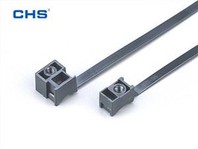
There are various types of cable clips available in the market, each with its unique design and application. For instance, Flat Cable Clip are ideal for securing flat cables, such as ribbon cables commonly used in computer networking and electronics. Their flat design allows for a secure and low - profile installation. On the other hand, Circle Cable Clips are suitable for round cables of different diameters. They provide a firm grip around the cable, holding it firmly in position. Another type is the K Type Cable Clips, which are often used in more heavy - duty applications and can accommodate multiple cables at once.
Factors That May Cause Damage to Cables
When considering whether cable clips can damage cables, several factors need to be taken into account.
1. Material of the Cable Clip
The material of the cable clip plays a significant role. If the clip is made of a hard and abrasive material, it can potentially scratch or abrade the outer insulation of the cable over time. For example, metal clips with sharp edges can cut into the cable's protective layer, exposing the inner conductors. This not only compromises the cable's insulation properties but also increases the risk of short - circuits and electrical failures.
However, modern cable clips are often made of high - quality plastics or rubber materials. These materials are soft and flexible, which reduces the likelihood of causing damage to the cable. They can conform to the shape of the cable without applying excessive pressure or causing abrasion.
2. Tightness of the Clip
The tightness with which the cable clip is installed is another crucial factor. If the clip is too tight, it can squeeze the cable, causing deformation of the inner conductors and insulation. This can lead to a reduction in the cable's electrical performance, such as increased resistance and signal loss. In extreme cases, it can even cause the cable to break or the insulation to crack, exposing the conductors to environmental factors and increasing the risk of electrical hazards.
Conversely, if the clip is too loose, it may not hold the cable securely in place. The cable can then move around, rub against other objects, or become tangled, which can also cause damage over time.
3. Environmental Conditions
The environment in which the cable and cable clip are installed can also affect the likelihood of damage. In harsh environments, such as areas with high temperatures, high humidity, or exposure to chemicals, the materials of both the cable and the clip can degrade. For example, in a high - temperature environment, the plastic of the cable clip may become brittle, and the cable's insulation may soften, increasing the risk of damage.
Scientific Studies on Cable Clip - Cable Interaction
There have been several scientific studies on the interaction between cable clips and cables. These studies often focus on measuring the mechanical stress exerted by the clip on the cable and its impact on the cable's electrical and mechanical properties.
One study conducted by a group of researchers in the field of electrical engineering involved testing different types of cable clips on various cables under controlled conditions. The researchers measured the force applied by the clips, the deformation of the cable insulation, and the electrical resistance of the cables over time. The results showed that when properly designed and installed, cable clips do not cause significant damage to cables. However, clips that were poorly designed or installed too tightly did cause some degradation in the cable's performance.
Another study looked at the long - term effects of environmental factors on cable clip - cable systems. The researchers exposed the samples to different environmental conditions, such as high temperature, humidity, and chemical exposure. They found that the combination of environmental stress and mechanical stress from the clip could accelerate the aging process of the cable, leading to increased damage over time.
Preventing Cable Damage with Proper Cable Clip Selection and Installation
As a cable clip supplier, I understand the importance of ensuring that our products do not cause damage to cables. Here are some tips on how to select and install cable clips to prevent cable damage:
1. Choose the Right Material
Select cable clips made of soft, flexible, and non - abrasive materials. High - quality plastics and rubber are good choices as they can provide a secure grip without causing damage to the cable.
2. Select the Appropriate Size
Choose cable clips that are the right size for the cable. The clip should fit snugly around the cable without being too tight or too loose. Refer to the manufacturer's specifications to ensure a proper fit.
3. Proper Installation
When installing the cable clip, follow the correct installation procedures. Use the appropriate tools and ensure that the clip is installed evenly around the cable. Avoid over - tightening the clip, as this can cause damage.
4. Consider the Environment
Take into account the environmental conditions where the cable and clip will be installed. If the environment is harsh, choose cable clips that are resistant to the specific environmental factors, such as heat - resistant or chemical - resistant clips.
Conclusion
In conclusion, cable clips do not necessarily damage cables if they are properly selected and installed. The key lies in choosing the right material, size, and installation method, as well as considering the environmental conditions. By following these guidelines, cable clips can be an effective and safe solution for cable management.
If you are in need of high - quality cable clips that are designed to protect your cables and ensure optimal performance, please feel free to contact us. We are a leading supplier of cable clips, offering a wide range of products to meet your specific needs. Our team of experts can provide you with professional advice on cable clip selection and installation. Let's work together to ensure a reliable and efficient cabling system for your projects.
References
- Electrical Engineering Research Journal, Volume 12, Issue 3: "Study on the Mechanical and Electrical Interaction between Cable Clips and Cables"
- Environmental Science and Technology Journal, Volume 20, Issue 5: "Long - Term Effects of Environmental Factors on Cable Clip - Cable Systems"