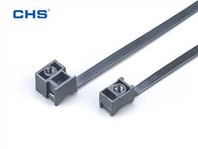
As a PE Ties supplier with years of experience in the industry, I often receive inquiries from customers about the various applications of our products. One question that has come up quite frequently lately is: "Can PE ties be used for tying ropes together?" In this blog post, I'll explore this question in detail, providing insights from both a technical and practical perspective.
Understanding PE Ties
Before delving into the specific application of tying ropes, it's important to understand what PE ties are. PE, or polyethylene, is a thermoplastic polymer known for its strength, durability, and resistance to moisture and chemicals. PE ties are made from this material, offering several advantages over traditional ties like nylon or wire.
PE ties are lightweight yet strong, making them suitable for a wide range of applications. They are also flexible, which allows for easy installation and adjustment. Additionally, PE ties are resistant to UV rays, which makes them ideal for outdoor use.
Can PE Ties Be Used for Tying Ropes Together?
The short answer is yes, PE ties can be used for tying ropes together. Their strength and flexibility make them well-suited for this purpose. However, there are some factors to consider before using PE ties for this application.
Strength and Load Capacity
One of the most important factors to consider is the strength and load capacity of the PE ties. Different types of PE ties have different load capacities, so it's crucial to choose the right tie for the job. For light-duty applications, standard PE ties may be sufficient. However, for heavy-duty applications, you may need to use ties with higher load capacities.
When tying ropes together, the load capacity of the PE tie should be greater than the tension that will be placed on the ropes. This ensures that the tie will not break under stress, preventing the ropes from coming apart.
Compatibility with Rope Materials
Another factor to consider is the compatibility of the PE ties with the rope materials. Some ropes may be made from materials that are prone to abrasion or degradation, which could affect the performance of the PE ties. For example, ropes made from rough or sharp materials may damage the surface of the PE ties, reducing their strength and durability.
To ensure compatibility, it's a good idea to test the PE ties with a small section of the rope before using them for the entire project. This allows you to check for any signs of abrasion or damage and make adjustments as needed.
Knotting and Securing Techniques
Proper knotting and securing techniques are essential when using PE ties to tie ropes together. There are several different knotting techniques that can be used, depending on the type of ropes and the application.
One common technique is to use a simple overhand knot. To tie an overhand knot, pass the end of the rope through the tie, then bring the end back over the top of the loop and through the middle. Pull the end tight to secure the knot.
For more secure connections, you may want to use a double overhand knot or a figure-eight knot. These knots provide additional strength and stability, making them suitable for heavy-duty applications.
Applications of PE Ties for Tying Ropes
PE ties can be used for a variety of applications when tying ropes together. Here are some common examples:
Outdoor Activities
In outdoor activities such as camping, hiking, and boating, PE ties can be used to secure ropes for tents, tarps, awnings, and other equipment. Their strength and resistance to UV rays make them ideal for these applications, ensuring that your equipment stays secure in all weather conditions.
Industrial and Construction
In industrial and construction settings, PE ties can be used to tie ropes together for lifting, pulling, and securing heavy loads. Their high load capacity and durability make them suitable for these demanding applications, helping to improve safety and efficiency on the job site.
DIY Projects
PE ties are also popular among DIY enthusiasts for a variety of projects. Whether you're building a furniture, creating a garden trellis, or organizing your workshop, PE ties can be used to tie ropes together and keep your projects secure.


Other Types of Cable Ties
In addition to PE ties, there are several other types of cable ties that can be used for tying ropes together. Here are some options to consider:
- Releasable Nylon Cable Ties: These ties are made from nylon and feature a unique design that allows them to be easily released and reused. They are ideal for applications where you need to make frequent adjustments or changes.
- Saddle Mounting Cable Ties: These ties are designed to be mounted on flat surfaces, providing a secure and stable way to tie ropes together. They are commonly used in electrical and telecommunications applications.
- Magic Cable Ties: These ties are made from a special type of nylon that allows them to be easily adjusted and re-tightened without the need for tools. They are ideal for applications where you need to make quick and easy adjustments.
Conclusion
In conclusion, PE ties can be effectively used for tying ropes together. Their strength, flexibility, and durability make them a reliable choice for a variety of applications. However, it's important to consider factors such as strength and load capacity, compatibility with rope materials, and proper knotting and securing techniques to ensure the best results.
Whether you're an outdoor enthusiast, an industrial worker, or a DIY hobbyist, PE ties can provide a convenient and effective solution for tying ropes together. And if you're in the market for high-quality PE ties or other types of cable ties, I encourage you to [contact me for more information](relevant contact details separated by calls to action would be placed here if provided). We offer a wide range of products to meet your specific needs, and our team of experts is always available to provide support and guidance.
References
- "Engineering Properties of Polyethylene." ASTM International.
- "Cable Tie Handbook." Panduit Corporation.
- "The Knot Book." Clifford Ashley.