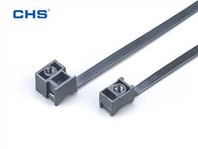
Hey there, gardening enthusiasts! Today, I'm here to chat about something that might seem a bit out of the ordinary but could be a game - changer in your gardening adventures: PE ties. As a PE ties supplier, I've seen firsthand the versatility of these little wonders, and I'm super excited to explore with you whether they can be used for gardening.
First off, let's talk about what PE ties are. PE stands for polyethylene, which is a type of plastic. These ties are known for their durability, flexibility, and resistance to various environmental factors. They come in different sizes, colors, and strengths, making them suitable for a wide range of applications.
Securing Plants
One of the most obvious uses of PE ties in gardening is for securing plants. Have you ever had a tall plant that starts to lean over or a vine that needs some support to climb? That's where PE ties come in handy. You can use them to gently tie the plant to a stake or a trellis. The flexibility of PE ties allows you to adjust the tightness easily, so you won't damage the plant.
For example, if you're growing tomatoes, they often need support as they grow taller and start to bear fruit. A simple stake can be driven into the ground next to the tomato plant, and then you can use a PE tie to secure the main stem to the stake. This helps the plant stay upright and ensures better air circulation around the leaves, which can reduce the risk of diseases.
Organizing Garden Hoses
Another practical use of PE ties in the garden is for organizing garden hoses. We've all been there - a messy tangle of hoses that's a pain to deal with. PE ties can help you keep your hoses neat and tidy. You can use them to bundle the hoses together when they're not in use, or even to attach them to a wall or a fence for easy storage.
Just wrap a PE tie around the hose at regular intervals, and you'll have a much more organized garden. This not only makes your garden look better but also makes it easier to find and use the hose when you need it.
Marking Rows and Plants
PE ties can also serve as markers in your garden. If you're growing different types of plants in rows, you can use colored PE ties to mark each row or a specific plant. This is especially useful if you're growing a variety of vegetables or flowers and want to keep track of what's what. You can even write on the PE ties with a permanent marker to label the plants.
For instance, if you're growing a mix of herbs, you can use a different colored PE tie for each type of herb. This way, you won't have to rely on your memory to remember which herb is which. It's a simple but effective way to keep your garden organized.
Comparing with Other Types of Ties
Now, you might be wondering how PE ties compare to other types of ties commonly used in gardening. There are nylon cable ties, for example. Nylon cable ties are also popular, and they have their own advantages. You can check out Nylon Marker Cable Tie for more information on them. They're strong and can hold up well under pressure, but they might be a bit more rigid than PE ties. This can be a problem if you're tying a delicate plant that needs some flexibility.


Expand plug cable ties, like the ones you can find at Expand Plug Cable Ties, are designed for specific applications where you need to secure something firmly. They're great for more heavy - duty tasks but might be overkill for most gardening needs.
Self - locking nylon cable ties, available at Self Locking Nylon Cable Ties, are convenient as they lock themselves in place. However, they can be difficult to adjust once they're tightened, which can be a drawback when working with plants that might need some room to grow.
Durability in the Garden Environment
One of the key factors to consider when using any tie in the garden is its durability in the garden environment. PE ties are resistant to UV rays, moisture, and temperature changes. This means they can withstand the harsh conditions of the outdoors, whether it's a hot summer day or a rainy season.
Unlike some other materials that might become brittle or break down over time, PE ties will last a long time in the garden. This makes them a cost - effective choice in the long run, as you won't have to replace them as often.
Cost - Effectiveness
When it comes to cost, PE ties are a great option. They're relatively inexpensive compared to some other types of ties, especially when you're buying them in bulk. As a PE ties supplier, I can offer you competitive prices, and you can get a large quantity of ties for a reasonable cost. This is especially important if you have a large garden or if you're using a lot of ties for various tasks.
Ease of Use
PE ties are incredibly easy to use. You don't need any special tools to work with them. All you need to do is wrap the tie around the object you want to secure and pull it tight. If you need to adjust the tightness, it's a simple matter of loosening or tightening the tie. This makes them accessible to gardeners of all skill levels, whether you're a beginner or a seasoned pro.
Customization
PE ties come in a variety of colors, which allows for a bit of customization in your garden. You can choose colors that match your garden decor or that make it easier to distinguish between different tasks or plants. For example, you could use red PE ties for important plants or areas that need special attention, and green ties for general support.
Final Thoughts
In conclusion, PE ties can definitely be used for gardening, and they have a lot of benefits. From securing plants and organizing hoses to marking rows and plants, they're a versatile and practical tool for any garden. They're durable, cost - effective, easy to use, and customizable.
If you're interested in using PE ties in your garden, I'd love to talk to you about your needs. Whether you're a small - scale home gardener or a large - scale commercial grower, I can provide you with the right PE ties for your project. Don't hesitate to reach out and start a conversation about your gardening requirements and how PE ties can make your gardening experience better.
References
- Gardening Basics: A Guide to Successful Gardening. [Author unknown].
- Plastics in the Garden: Understanding the Benefits and Uses. [Author unknown].