Hey there! As a supplier of PE Ties, I often get asked some pretty interesting questions. One question that popped up recently got me thinking: Can PE ties be used for binding books? Let's dig into this topic and see what we can find out.
First off, let's talk a bit about what PE ties are. PE stands for polyethylene, which is a type of plastic. PE Ties are known for their flexibility, durability, and resistance to various environmental factors. They come in different sizes and strengths, making them suitable for a wide range of applications. You might have seen them used for cable management, bundling wires, or even in some DIY projects around the house.
Now, when it comes to binding books, there are a few things we need to consider. Traditional bookbinding methods involve using materials like thread, glue, or special binding tapes. These materials are specifically designed to hold the pages of a book together securely over time. But can PE ties do the job just as well?
One of the main advantages of using PE ties for bookbinding is their ease of use. Unlike traditional methods that might require some skill and specialized tools, anyone can use PE ties. You simply wrap the tie around the stack of pages and secure it. It's a quick and straightforward process, which can be a big plus if you're in a hurry or if you're doing a small-scale bookbinding project.
Another benefit is the adjustability. If you make a mistake or if you need to add or remove pages later on, it's easy to loosen or tighten the PE tie. This flexibility can be really useful, especially for things like notebooks or personal journals where you might want to make changes over time.
However, there are also some drawbacks to using PE ties for bookbinding. One of the biggest concerns is the long - term durability. While PE ties are strong, they might not be as durable as traditional bookbinding materials. Over time, the plastic could become brittle, especially if it's exposed to sunlight or extreme temperatures. This could lead to the tie breaking and the pages coming loose.


The aesthetic aspect is another factor. Traditional bookbinding often has a certain charm and elegance to it. The neat stitching or the smooth finish of a glued binding can add to the overall look of the book. In contrast, PE ties might not give the same polished appearance. They can look a bit industrial or DIY, which might not be ideal for high - end or decorative books.
Let's also think about the practicality in terms of book use. When you open a book bound with traditional methods, the pages tend to lay flat more easily. With PE ties, there's a risk that the tie could create a bit of a bulge or make it harder for the pages to lie flat, especially if the tie is too tight. This could affect the readability and the overall user experience.
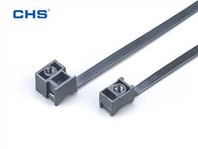
Now, let's compare PE ties with some other types of ties that are commonly used in related applications. Push Mount Ties are designed to be easily mounted in place. They're often used for cable management in tight spaces. While they're strong and reliable for their intended purpose, they might not be the best choice for bookbinding. Their design is more focused on securing items in a fixed position rather than providing a flexible binding solution for pages.
Chassis Cable Ties are another option. These ties are typically used in automotive or electronic applications to secure cables to a chassis. They're very strong and can withstand a lot of stress. However, they're usually made of a more rigid material compared to PE ties, which might make them less suitable for bookbinding where some flexibility is needed.
So, can PE ties be used for binding books? The answer is yes, they can. They offer a quick, easy, and adjustable solution for bookbinding. But they might not be the best choice for all types of books. If you're working on a rough draft, a personal notebook, or a project where durability and aesthetics aren't your top priorities, PE ties could be a great option. On the other hand, if you're creating a high - quality, long - lasting book, you might want to stick with traditional bookbinding methods.
As a supplier of PE Ties, I'm always happy to help you find the right product for your needs. Whether you're interested in using PE ties for bookbinding or for other applications, I've got a wide range of options available. If you're thinking about using PE ties for your next project, I'd love to chat with you. Just reach out, and we can discuss the best type and size of ties for your specific requirements.
In conclusion, while PE ties might not replace traditional bookbinding methods entirely, they do offer a unique and practical alternative in certain situations. So, don't be afraid to give them a try and see how they work for you.
References:
- General knowledge of plastics and their properties
- Experience in the cable tie industry