Can flat cable clips be used in a data center? That's a question I've been asked quite a bit lately, especially since I'm a supplier of Flat Cable Clip. Data centers are these super - high - tech places where everything has to work just right, so it's no wonder people are cautious about what they use in there.
Let's start by understanding what a data center is. A data center is like the heart of the digital world. It's a facility that houses a large number of servers, storage systems, and networking equipment. All these components generate a ton of data and heat, and they need to be connected in an organized way. The cables in a data center are like the nerves that carry information between different parts of the system. If these cables aren't managed properly, it can lead to all sorts of problems, like overheating, signal interference, and even equipment failure.
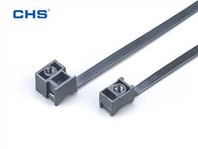
So, where do flat cable clips come in? Well, flat cable clips are designed to hold flat cables in place. Flat cables are often used in data centers because they're thin, flexible, and can carry multiple signals at once. They're great for saving space, which is a big deal in a data center where every square inch counts.
One of the main advantages of using flat cable clips in a data center is organization. With a bunch of cables running everywhere, it can quickly turn into a messy tangle. Flat cable clips help keep these cables neatly arranged, making it easier for technicians to find and work on specific cables when needed. For example, if there's a problem with a particular cable, it's much quicker to trace it through a well - organized cable management system than through a jumbled mess.
Another benefit is that flat cable clips can help with airflow. In a data center, proper airflow is crucial for cooling the equipment. When cables are neatly clipped and arranged, there's more space for air to circulate around the servers and other components. This helps prevent overheating, which can significantly reduce the lifespan of the equipment and increase the risk of system failures.
But it's not all sunshine and rainbows. There are some potential drawbacks to using flat cable clips in a data center. One concern is durability. Data centers are high - traffic areas, and cables can be moved around or accidentally bumped. Flat cable clips need to be strong enough to hold the cables securely, even under some stress. If a clip breaks, it can cause the cables to become loose, which might lead to signal loss or other issues.
Another consideration is compatibility. There are different types of flat cables used in data centers, and not all flat cable clips will work with every type of cable. For instance, some cables might be thicker or have a different shape, and a clip that's designed for a standard flat cable might not fit properly. That's why it's important to choose the right flat cable clips for the specific cables in your data center.


When it comes to types of flat cable clips, we also offer K Type Cable Clips and Circle Cable Clips. K Type Cable Clips are great for more heavy - duty applications. They're designed to hold cables more securely and can withstand a bit more pressure. Circle Cable Clips, on the other hand, are useful for circular cables, but they can also be adapted to hold flat cables in some cases.
So, can flat cable clips be used in a data center? The answer is yes, but with some careful considerations. You need to make sure the clips are durable, compatible with your cables, and that they're installed correctly.
If you're in charge of a data center or involved in cable management for one, I'd love to talk to you about your specific needs. Whether you're looking for standard flat cable clips or something more specialized like K Type Cable Clips, we've got you covered. We can work together to find the best cable management solutions for your data center, ensuring that your cables are organized, your equipment stays cool, and your systems run smoothly. Don't hesitate to reach out if you have any questions or want to discuss a potential purchase.
References
- Data Center Design and Management Handbook
- Cable Management Best Practices in High - Tech Environments