Can cable tie handcuffs be used in riot control?
In the field of law enforcement and riot control, the choice of tools is a matter of great importance. As a supplier of cable tie handcuffs, I've often been asked whether these seemingly simple tools can be effectively used in riot - control scenarios. In this blog, we'll delve into the scientific, practical, and ethical aspects of using cable tie handcuffs for riot control.

The Basics of Cable Tie Handcuffs
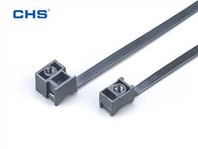
Cable tie handcuffs, also known as flex cuffs, are made of strong, durable nylon materials. They are essentially a type of cable tie with a locking mechanism that can be tightened around a person's wrists, ankles, or other body parts to restrict movement. Our company offers a variety of cable tie products, including [Saddle Mounting Cable Ties](/cable - ties/nylon - cable - tie/saddle - mounting - cable - ties.html), [Self Locking Nylon Cable Ties](/cable - ties/nylon - cable - tie/self - locking - nylon - cable - ties.html), and [Nylon Marker Cable Tie](/cable - ties/nylon - cable - tie/nylon - marker - cable - tie.html), which have different features and applications.
The design of cable tie handcuffs is simple yet effective. They are lightweight, easy to carry, and can be quickly deployed. Unlike traditional metal handcuffs, cable tie handcuffs do not require any special skills or tools to apply. An officer can simply pull the end of the cable tie through the locking head, and it will automatically lock in place, creating a secure restraint.

Advantages in Riot Control
Ease of Use and Deployment
In a riot situation, time is of the essence. Officers need to be able to quickly restrain individuals who pose a threat to public safety or the order of the event. Cable tie handcuffs can be applied in a matter of seconds, allowing law - enforcement officers to respond rapidly to emerging situations. For example, in a large - scale riot where there are multiple individuals causing chaos, officers can use cable tie handcuffs to quickly subdue and control the situation without having to fumble with traditional handcuffs or worry about keys.
Cost - effectiveness
Riot control operations often involve a large number of officers and the need for a significant amount of equipment. Cable tie handcuffs are relatively inexpensive compared to traditional metal handcuffs. This makes them a cost - effective option for law - enforcement agencies, especially those with limited budgets. A single pack of cable tie handcuffs can provide a large number of restraints, allowing agencies to equip their officers with an adequate supply of tools for riot - control operations.
Lightweight and Portable
During a riot, officers need to be mobile and able to move quickly through the crowd. Cable tie handcuffs are extremely lightweight and can be easily carried in an officer's pocket or on a duty belt. This portability ensures that officers have immediate access to restraints whenever they are needed, without adding excessive weight or bulk to their gear.
Versatility
Cable tie handcuffs can be used in a variety of situations and on different parts of the body. In addition to restraining wrists, they can also be used to secure ankles or even to immobilize larger groups of people by linking them together. This versatility makes them a valuable tool in riot - control scenarios where officers may need to adapt to different situations and threats.
Potential Drawbacks and Concerns
Over - Tightening and Injury
One of the main concerns with using cable tie handcuffs is the potential for over - tightening. If an officer applies too much force when tightening the cable tie, it can cause significant pain, circulation problems, and even nerve damage to the person being restrained. To mitigate this risk, officers need to be trained on the proper use of cable tie handcuffs and how to adjust the tightness to ensure a secure but safe restraint.
Limited Reusability
Unlike traditional metal handcuffs, cable tie handcuffs are generally considered single - use items. Once they are tightened and locked, they are difficult to remove without cutting them. This means that after a riot - control operation, law - enforcement agencies will need to replenish their supply of cable tie handcuffs, which can add to the overall cost over time.
Ethical and Legal Considerations
The use of any restraint device in riot control must comply with ethical and legal standards. There have been cases where the use of cable tie handcuffs has raised concerns about excessive force and human rights violations. Law - enforcement agencies need to ensure that their officers are trained to use cable tie handcuffs in a manner that respects the rights and dignity of the individuals being restrained.
Scientific Research and Evidence
Several studies have been conducted on the use of cable tie handcuffs in law - enforcement and riot - control situations. Research has shown that when used correctly, cable tie handcuffs can be an effective and safe tool for restraining individuals. For example, a study published in a law - enforcement journal found that cable tie handcuffs were able to quickly and effectively restrain suspects with a low incidence of injury when officers were properly trained.

However, other research has also highlighted the need for caution. A medical study found that improper use of cable tie handcuffs could lead to serious complications, such as compartment syndrome, which is a condition caused by increased pressure within a muscle compartment that can result in tissue damage and loss of function.
Best Practices for Using Cable Tie Handcuffs in Riot Control
Training
Proper training is essential for officers who will be using cable tie handcuffs in riot - control situations. Training should include instruction on how to apply the handcuffs correctly, how to adjust the tightness, and how to recognize and respond to signs of injury or distress in the person being restrained.
Monitoring
Once a person has been restrained with cable tie handcuffs, officers should continuously monitor the individual for any signs of discomfort, pain, or circulation problems. If any issues are detected, the handcuffs should be adjusted or removed immediately.
Documentation
Law - enforcement agencies should maintain detailed records of the use of cable tie handcuffs in riot - control operations. This documentation can help to ensure accountability and can be used in the event of an investigation or legal challenge.
Conclusion
In conclusion, cable tie handcuffs can be a valuable tool in riot control when used correctly. They offer several advantages, such as ease of use, cost - effectiveness, portability, and versatility. However, they also come with potential drawbacks and concerns, including the risk of injury, limited reusability, and ethical and legal issues.
As a supplier of cable tie handcuffs, we are committed to providing high - quality products and supporting law - enforcement agencies in their efforts to maintain public safety. If you are interested in learning more about our cable tie handcuffs or other cable tie products, we invite you to contact us for procurement and further discussion.
References
- Law - enforcement journal study on cable tie handcuffs
- Medical study on complications of cable tie handcuffs use