Can buckle cable ties be used for heavy - duty applications?
As a supplier of buckle cable ties, I've been frequently asked whether our products can be employed in heavy - duty applications. This is a crucial question, especially for industries that require reliable and robust cable management solutions. In this blog, I'll delve into the characteristics of buckle cable ties and analyze their suitability for heavy - duty tasks.
Understanding Buckle Cable Ties
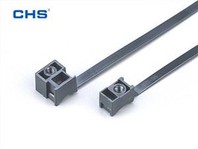
Buckle cable ties are a type of fastening device designed to secure cables, wires, and other items together. They are typically made of high - quality materials such as nylon, which offers excellent strength, durability, and resistance to environmental factors. The buckle mechanism allows for easy installation and adjustment, making them a popular choice in various industries.
One of the key advantages of buckle cable ties is their flexibility. Unlike traditional cable ties that can only be tightened in one direction, buckle cable ties can be easily loosened and reused. This feature is particularly useful in applications where changes or adjustments to the cable layout are likely to occur.
Characteristics Relevant to Heavy - Duty Applications
To determine whether buckle cable ties can be used for heavy - duty applications, we need to examine several key characteristics:
Tensile Strength
Tensile strength is the maximum amount of pulling force a cable tie can withstand before breaking. For heavy - duty applications, high tensile strength is essential. Our buckle cable ties are engineered to have a high tensile strength, ensuring they can hold heavy cables and withstand significant pulling forces. For example, in industrial settings where large bundles of power cables need to be secured, a cable tie with low tensile strength would quickly fail, leading to potential safety hazards. Our products are tested rigorously to meet and exceed industry standards for tensile strength, making them a reliable choice for heavy - duty tasks.
Temperature Resistance
In heavy - duty applications, cable ties may be exposed to extreme temperatures. For instance, in automotive engines or industrial furnaces, the temperature can reach very high levels. Conversely, in cold storage facilities or outdoor applications in winter, the temperature can drop significantly. Our buckle cable ties are made from materials that can withstand a wide range of temperatures. Nylon, the primary material used in our products, has good heat and cold resistance properties. It remains stable and retains its strength even under extreme temperature conditions, ensuring the cable ties will not become brittle or lose their flexibility.
Chemical Resistance
Heavy - duty applications often involve exposure to various chemicals, such as oils, solvents, and cleaning agents. Chemicals can degrade the material of cable ties, reducing their strength and lifespan. Our buckle cable ties are resistant to a variety of chemicals. This means they can be used in environments where they may come into contact with these substances without being damaged. For example, in a manufacturing plant where machinery is lubricated with oil, the cable ties used to secure the wiring will not be affected by the oil, maintaining their integrity over time.
UV Resistance
For outdoor heavy - duty applications, cable ties need to be resistant to ultraviolet (UV) radiation. UV rays from the sun can cause the material of cable ties to deteriorate over time, making them brittle and prone to breaking. Our buckle cable ties are treated with UV - resistant additives, which protect them from the harmful effects of sunlight. This ensures that they can be used in outdoor applications, such as securing cables on power poles or in solar power installations, without losing their strength and durability.
Examples of Heavy - Duty Applications
There are many industries and applications where our buckle cable ties can be used for heavy - duty purposes:
Industrial Manufacturing
In industrial manufacturing plants, there are numerous heavy - duty cable management needs. For example, in a large - scale electronics manufacturing facility, there are countless cables and wires that need to be organized and secured. Our buckle cable ties can be used to bundle these cables together, preventing them from tangling and reducing the risk of electrical short - circuits. They can also be used to secure heavy machinery wiring, ensuring that the equipment operates safely and efficiently.
Construction
In the construction industry, cable ties are used for a variety of heavy - duty tasks. During the construction of a building, electrical cables, plumbing pipes, and communication cables need to be installed and secured. Our buckle cable ties can be used to fasten these cables and pipes in place, providing a reliable and long - lasting solution. They are also useful in securing scaffolding components, where high strength and durability are required.
Transportation
In the transportation industry, including automotive, aerospace, and marine applications, heavy - duty cable management is crucial. In an automobile, there are many electrical cables that need to be organized and secured to ensure the proper functioning of the vehicle. Our buckle cable ties can be used to secure these cables in place, even in the harsh environment of an engine compartment. In aerospace and marine applications, where weight and space are critical factors, our lightweight yet strong buckle cable ties are an ideal choice for securing cables and wiring.
Comparing with Other Types of Cable Ties
While buckle cable ties have many advantages for heavy - duty applications, it's also important to compare them with other types of cable ties:
Push Mount Ties
Push Mount Ties are another type of cable tie commonly used. They are designed to be easily mounted on panels or surfaces. However, compared to buckle cable ties, push mount ties may have lower tensile strength and are not as flexible. Push mount ties are more suitable for lighter - duty applications where the cables are not very heavy and do not require a high degree of adjustment. In heavy - duty applications, buckle cable ties are a better choice due to their higher strength and flexibility.
Self Locking Nylon Cable Tie
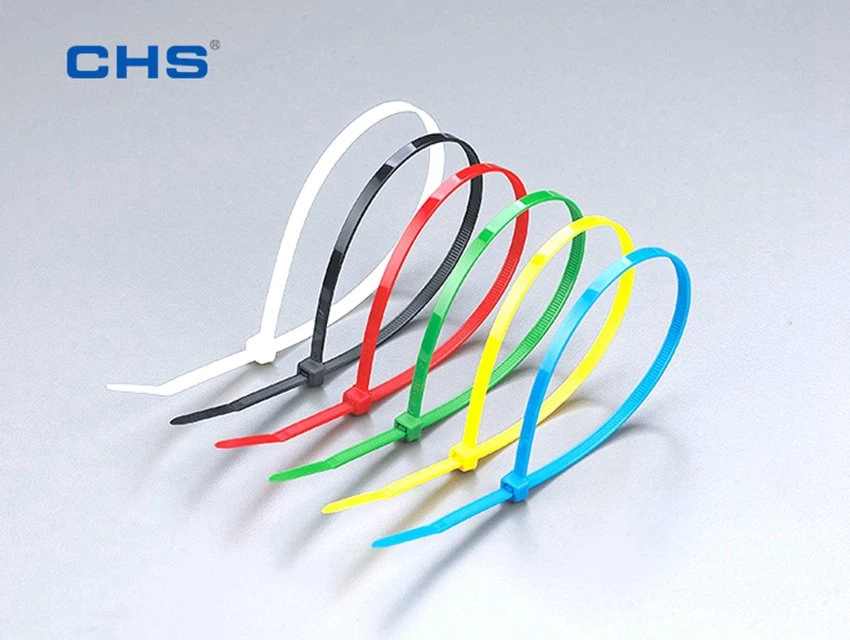
Self Locking Nylon Cable Tie are widely used in many industries. They are easy to install and provide a secure locking mechanism. However, once a self - locking cable tie is tightened, it cannot be easily loosened or reused. In heavy - duty applications where cable layouts may need to be adjusted over time, buckle cable ties offer a significant advantage. They can be easily loosened and tightened again, allowing for flexibility in cable management.
Metal Detectable Cable Ties
Metal Detectable Cable Ties are used in industries where metal contamination is a concern, such as the food and pharmaceutical industries. While they have the advantage of being detectable by metal detectors, they may not have the same level of strength and flexibility as our buckle cable ties. In heavy - duty applications where strength and adjustability are the primary requirements, our buckle cable ties are a more appropriate choice.

Conclusion
In conclusion, our buckle cable ties can indeed be used for heavy - duty applications. Their high tensile strength, temperature resistance, chemical resistance, and UV resistance make them well - suited for a wide range of challenging environments. Compared to other types of cable ties, they offer unique advantages such as flexibility and reusability, which are particularly important in heavy - duty applications where cable management may need to be adjusted over time.
If you are in need of cable ties for heavy - duty applications, we invite you to contact us for more information and to discuss your specific requirements. Our team of experts is ready to assist you in finding the best cable tie solutions for your needs.
References
- "Cable Tie Handbook" - Industry standard reference for cable tie properties and applications.
- ASTM International standards for cable tie testing, including tensile strength, temperature resistance, etc.