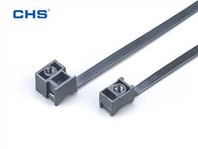
In the dynamic landscape of electrical and electronic systems, the need to secure cables within a chassis that experiences a significant amount of movement is a critical concern. As a trusted supplier of Chassis Cable Ties, I understand the challenges that come with ensuring cable management in such environments. This blog post will delve into the types of cable ties suitable for securing cables in a chassis with a lot of movement, exploring their features, benefits, and applications.
The Challenges of Securing Cables in a Moving Chassis
When a chassis is subject to movement, whether it's due to vibrations, shocks, or regular repositioning, the cables within it are at risk of damage. Loose cables can rub against each other or the chassis walls, leading to abrasion, insulation damage, and ultimately, electrical failures. Additionally, unsecured cables can become entangled, making maintenance and troubleshooting a time - consuming and frustrating process.
To address these challenges, it's essential to use cable ties that can withstand the forces associated with movement and maintain a secure hold on the cables over an extended period.
Types of Cable Ties for Moving Chassis
Nylon Marker Cable Tie
Nylon is a popular material for cable ties due to its high strength, durability, and resistance to environmental factors. Nylon Marker Cable Tie is an excellent choice for securing cables in a moving chassis. These cable ties are not only strong enough to hold cables firmly in place but also come with a marker area where you can label the cables. This labeling feature is particularly useful in complex systems where it's necessary to identify different cables quickly.
The nylon material used in these cable ties has good flexibility, which allows them to adapt to the movement of the chassis without breaking. They can withstand a wide range of temperatures, from -40°C to 85°C, making them suitable for use in various environments. Whether it's a hot industrial setting or a cold outdoor installation, Nylon Marker Cable Ties will maintain their integrity.
Self Locking Nylon Cable Ties
Self Locking Nylon Cable Ties are another reliable option for securing cables in a moving chassis. These cable ties have a unique locking mechanism that ensures a tight and secure fit. Once the cable tie is tightened around the cables, the locking teeth engage, preventing the tie from loosening even under the influence of vibrations or shocks.


The self - locking feature also makes installation quick and easy. You simply thread the end of the cable tie through the locking head and pull it tight. The more you pull, the tighter the grip on the cables. This ease of installation is beneficial in situations where you need to secure a large number of cables in a short amount of time.
Double Locking Cable Ties
For applications where extra security is required, Double Locking Cable Ties are the ideal choice. These cable ties have two locking points, providing an additional layer of protection against loosening. In a moving chassis, the double - locking mechanism ensures that the cable tie remains firmly in place, even when subjected to extreme forces.
Double Locking Cable Ties are typically made of high - quality nylon, which offers excellent tensile strength. They can withstand heavy loads and are suitable for bundling thick cables or multiple cables together. This makes them a great option for industrial applications where large and heavy cables need to be secured in a moving chassis.
Factors to Consider When Choosing Cable Ties for a Moving Chassis
Tensile Strength
The tensile strength of a cable tie is the maximum amount of force it can withstand before breaking. In a moving chassis, the cable ties will be subjected to various forces, so it's important to choose cable ties with a high tensile strength. This ensures that the cable ties can hold the cables securely without snapping under pressure.
Flexibility
Flexibility is another important factor to consider. Cable ties need to be flexible enough to bend and adapt to the movement of the chassis without cracking or breaking. Nylon cable ties, in general, offer good flexibility, but it's still important to choose a type that can handle the specific amount of movement in your application.
Chemical Resistance
Depending on the environment in which the chassis is located, the cable ties may be exposed to various chemicals. It's important to choose cable ties that are resistant to these chemicals to prevent degradation and ensure long - term performance.
Temperature Resistance
As mentioned earlier, temperature can have a significant impact on the performance of cable ties. In a moving chassis, the temperature may fluctuate, so it's important to choose cable ties that can withstand a wide range of temperatures.
Applications of Cable Ties in Moving Chassis
Automotive Industry
In the automotive industry, vehicles are constantly in motion, and the electrical systems within them need to be well - secured. Cable ties are used to bundle and secure cables in the engine compartment, dashboard, and other areas of the vehicle. Nylon cable ties, such as Nylon Marker Cable Ties and Self Locking Nylon Cable Ties, are commonly used due to their strength, flexibility, and resistance to heat and vibrations.
Industrial Machinery
Industrial machinery often experiences a lot of movement, whether it's due to the operation of the machine itself or the movement of the production line. Cable ties are used to secure cables in these machines, preventing them from getting damaged and ensuring the smooth operation of the equipment. Double Locking Cable Ties are particularly useful in heavy - duty industrial applications where extra security is required.
Aerospace Industry
In the aerospace industry, where safety is of utmost importance, cable ties play a crucial role in securing cables in aircraft. The cables in an aircraft are subjected to extreme conditions, including high - speed vibrations, temperature changes, and pressure variations. Cable ties used in this industry need to meet strict standards and be able to withstand these harsh conditions. Nylon cable ties with high tensile strength and excellent temperature resistance are commonly used.
Conclusion
Securing cables in a chassis with a lot of movement is a challenging task, but with the right cable ties, it can be accomplished effectively. As a Chassis Cable Ties supplier, I offer a wide range of cable ties, including Nylon Marker Cable Tie, Self Locking Nylon Cable Ties, and Double Locking Cable Ties, which are designed to meet the specific needs of different applications.
When choosing cable ties for your moving chassis, consider factors such as tensile strength, flexibility, chemical resistance, and temperature resistance. By selecting the right cable ties, you can ensure the safety and reliability of your electrical systems.
If you're in need of high - quality cable ties for your moving chassis, I invite you to contact me for a detailed discussion. I can help you choose the most suitable cable ties for your specific application and provide you with a competitive quote. Let's work together to ensure the optimal performance of your electrical systems.
References
- "Cable Tie Handbook" - A comprehensive guide to cable ties, including their types, materials, and applications.
- "Industrial Cable Management Best Practices" - A publication that provides insights into the best ways to manage cables in industrial environments.
- "Automotive Electrical System Design and Installation" - A resource that covers the design and installation of electrical systems in vehicles, including cable management.