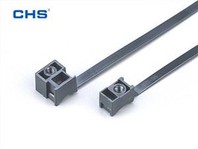
As a nylon cable tie supplier, I often receive inquiries about the suitability of our products for various industries, including aerospace. The aerospace sector demands the highest standards of quality, reliability, and performance due to the critical nature of its applications. In this blog post, I will delve into the question: Are nylon cable ties suitable for aerospace applications?
Understanding Nylon Cable Ties
Nylon cable ties, also known as zip ties, are versatile fastening devices made from nylon, a synthetic thermoplastic polymer. They are widely used in a variety of industries for bundling, securing, and organizing cables, wires, and other components. Nylon cable ties offer several advantages, including high tensile strength, flexibility, resistance to chemicals and UV radiation, and ease of installation.
Requirements for Aerospace Applications
Aerospace applications have unique requirements that must be met to ensure the safety and reliability of aircraft and spacecraft. These requirements include:


- High Strength and Durability: Aerospace components are subjected to extreme conditions, including high temperatures, vibrations, and mechanical stresses. Nylon cable ties used in aerospace applications must have sufficient strength and durability to withstand these conditions without breaking or failing.
- Flame Resistance: In the event of a fire, it is crucial that aerospace components do not contribute to the spread of flames. Nylon cable ties used in aerospace applications must be flame-resistant to meet strict fire safety regulations.
- Chemical Resistance: Aerospace components are often exposed to a variety of chemicals, including fuels, lubricants, and cleaning agents. Nylon cable ties used in aerospace applications must be resistant to these chemicals to prevent degradation and ensure long-term performance.
- Low Outgassing: In space applications, outgassing can cause contamination and damage to sensitive equipment. Nylon cable ties used in aerospace applications must have low outgassing properties to minimize the risk of contamination.
- Compliance with Standards: Aerospace applications are subject to strict regulatory standards and certifications. Nylon cable ties used in aerospace applications must comply with these standards to ensure the safety and reliability of the aircraft or spacecraft.
Advantages of Nylon Cable Ties in Aerospace Applications
Despite the stringent requirements of aerospace applications, nylon cable ties offer several advantages that make them a suitable choice for certain applications. These advantages include:
- Lightweight: Nylon is a lightweight material, which is beneficial in aerospace applications where weight reduction is critical. Using nylon cable ties can help reduce the overall weight of the aircraft or spacecraft, leading to improved fuel efficiency and performance.
- Flexibility: Nylon cable ties are flexible and can be easily bent and shaped to fit around cables and other components. This flexibility makes them ideal for applications where space is limited or where components need to be bundled in a specific configuration.
- Ease of Installation: Nylon cable ties are easy to install and require no special tools or equipment. This makes them a convenient and cost-effective solution for bundling and securing cables in aerospace applications.
- Cost-Effective: Compared to other fastening methods, such as metal clamps or screws, nylon cable ties are relatively inexpensive. This makes them a cost-effective solution for aerospace applications where budget constraints are a concern.
Limitations of Nylon Cable Ties in Aerospace Applications
While nylon cable ties offer several advantages, they also have some limitations that must be considered when using them in aerospace applications. These limitations include:
- Temperature Limitations: Nylon has a relatively low melting point compared to other materials, such as metal. This means that nylon cable ties may not be suitable for applications where high temperatures are present. In extreme heat, nylon cable ties can soften, melt, or lose their strength, which can compromise the safety and reliability of the aircraft or spacecraft.
- UV Degradation: Nylon is susceptible to UV degradation, which can cause it to become brittle and lose its strength over time. In aerospace applications where the cable ties are exposed to sunlight or other sources of UV radiation, this can be a significant concern. To mitigate this issue, UV-resistant nylon cable ties can be used.
- Mechanical Fatigue: Over time, repeated bending and flexing of nylon cable ties can cause them to experience mechanical fatigue, which can lead to cracking and failure. In aerospace applications where the cable ties are subjected to frequent vibrations or movements, this can be a significant concern. To minimize the risk of mechanical fatigue, it is important to choose nylon cable ties with a high tensile strength and to ensure that they are installed correctly.
Applications of Nylon Cable Ties in Aerospace
Despite their limitations, nylon cable ties are widely used in a variety of aerospace applications, including:
- Cable Management: Nylon cable ties are commonly used for bundling and securing cables and wires in aircraft and spacecraft. They help to organize the cables, prevent them from tangling, and protect them from damage.
- Interior Trim: Nylon cable ties are used to secure interior trim components, such as panels, carpets, and upholstery, in aircraft cabins. They provide a secure and reliable fastening solution that is easy to install and remove.
- Avionics Installation: Nylon cable ties are used to secure avionics equipment, such as radios, navigation systems, and flight computers, in aircraft. They help to keep the equipment in place and prevent it from vibrating or moving during flight.
- Ground Support Equipment: Nylon cable ties are used in ground support equipment, such as aircraft maintenance stands, tow bars, and fueling trucks. They help to secure cables and hoses, prevent them from becoming entangled, and ensure the safe and efficient operation of the equipment.
Choosing the Right Nylon Cable Ties for Aerospace Applications
When choosing nylon cable ties for aerospace applications, it is important to consider the specific requirements of the application and to select cable ties that meet or exceed these requirements. Some factors to consider when choosing nylon cable ties for aerospace applications include:
- Tensile Strength: The tensile strength of the nylon cable tie is an important factor to consider, as it determines the maximum amount of force that the cable tie can withstand before breaking. In aerospace applications, it is important to choose cable ties with a high tensile strength to ensure the safety and reliability of the aircraft or spacecraft.
- Flame Resistance: As mentioned earlier, flame resistance is a critical requirement for aerospace applications. When choosing nylon cable ties, it is important to select cable ties that are flame-resistant and meet the relevant fire safety regulations.
- Chemical Resistance: Aerospace components are often exposed to a variety of chemicals, so it is important to choose nylon cable ties that are resistant to these chemicals. Look for cable ties that are specifically designed for use in harsh chemical environments.
- UV Resistance: If the cable ties will be exposed to sunlight or other sources of UV radiation, it is important to choose cable ties that are UV-resistant. UV-resistant cable ties are designed to withstand the effects of UV radiation and maintain their strength and flexibility over time.
- Compliance with Standards: Aerospace applications are subject to strict regulatory standards and certifications. When choosing nylon cable ties, it is important to select cable ties that comply with these standards to ensure the safety and reliability of the aircraft or spacecraft.
Conclusion
In conclusion, nylon cable ties can be a suitable choice for certain aerospace applications, provided that they are selected and used correctly. While they offer several advantages, such as lightweight, flexibility, ease of installation, and cost-effectiveness, they also have some limitations, such as temperature limitations, UV degradation, and mechanical fatigue. When choosing nylon cable ties for aerospace applications, it is important to consider the specific requirements of the application and to select cable ties that meet or exceed these requirements. By doing so, you can ensure the safety and reliability of the aircraft or spacecraft and minimize the risk of failure or damage.
If you are interested in purchasing nylon cable ties for aerospace applications, please feel free to contact us. We are a leading supplier of high-quality nylon cable ties and can provide you with the products and expertise you need to meet your specific requirements. Our product range includes Plastic Security Seals Ties, PE Ties, and Expand Plug Cable Ties. We look forward to working with you to find the best solution for your aerospace applications.
References
- "Aerospace Fasteners Market - Growth, Trends, COVID-19 Impact, and Forecasts (2021 - 2026)." Mordor Intelligence.
- "Nylon Cable Ties: Properties, Applications, and Selection." ThomasNet.
- "Aerospace Industry Standards and Regulations." Federal Aviation Administration (FAA).