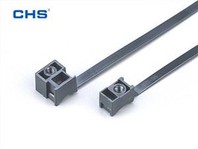
As a supplier of Flat Cable Clips, I often encounter inquiries from customers regarding the chemical resistance of our products. Chemical resistance is a crucial factor, especially in industries where cable clips are exposed to various chemicals. In this blog, I'll delve into the topic of whether flat cable clips are resistant to chemicals, exploring the factors that influence their chemical resistance and how it impacts their performance in different environments.
Understanding Chemical Resistance in Flat Cable Clips
Chemical resistance refers to a material's ability to withstand the effects of chemicals without significant degradation or loss of functionality. When it comes to flat cable clips, chemical resistance is determined by several factors, including the material from which the clips are made, the type of chemicals they are exposed to, and the duration and intensity of the exposure.
Most flat cable clips are made from plastics such as nylon, polypropylene, or polyethylene. These plastics have different chemical resistance properties. For example, nylon is known for its good general chemical resistance, especially against oils, greases, and many solvents. It can withstand a wide range of pH levels, making it suitable for use in environments where mild to moderately aggressive chemicals are present.
Polypropylene, on the other hand, offers excellent resistance to acids, alkalis, and many organic solvents. It is often used in applications where contact with strong chemicals is possible, such as in chemical processing plants or laboratories. Polyethylene is also a popular choice for cable clips due to its good chemical resistance, particularly against water, acids, and alkalis.
Factors Affecting Chemical Resistance
The chemical resistance of flat cable clips can be affected by several factors:
- Type of Chemicals: Different chemicals have different effects on plastic materials. For example, strong acids and alkalis can cause corrosion or swelling of the plastic, while solvents can dissolve or soften the material. The specific chemical composition and concentration of the chemicals in the environment will determine how the cable clips will react.
- Temperature: Higher temperatures can accelerate chemical reactions and reduce the chemical resistance of plastic materials. When exposed to high temperatures in the presence of chemicals, the plastic may degrade more quickly, leading to a loss of strength and functionality.
- Duration of Exposure: The longer the cable clips are exposed to chemicals, the greater the chance of degradation. Continuous exposure to chemicals over an extended period can cause cumulative damage to the plastic, resulting in cracking, brittleness, or loss of elasticity.
- Mechanical Stress: Mechanical stress, such as tension, compression, or bending, can also affect the chemical resistance of cable clips. When the plastic is under stress, it may be more susceptible to chemical attack, as the stress can create microscopic cracks or weak points in the material.
Testing Chemical Resistance
To ensure the chemical resistance of our flat cable clips, we conduct rigorous testing in our laboratory. We expose the cable clips to various chemicals under controlled conditions, simulating real-world scenarios. The tests typically involve measuring the changes in the physical and mechanical properties of the cable clips, such as weight, dimensions, hardness, and tensile strength, before and after exposure to the chemicals.
We also use advanced analytical techniques, such as Fourier-transform infrared spectroscopy (FTIR) and scanning electron microscopy (SEM), to analyze the chemical composition and structure of the plastic before and after exposure. These techniques allow us to identify any chemical changes or degradation that may have occurred during the testing process.
Applications and Environments
The chemical resistance of flat cable clips makes them suitable for a wide range of applications and environments:


- Industrial Settings: In industrial settings, cable clips are often exposed to chemicals such as oils, greases, solvents, and cleaning agents. Flat cable clips made from chemically resistant plastics can withstand these chemicals, ensuring the safe and reliable installation of cables.
- Chemical Processing Plants: Chemical processing plants require cable clips that can resist the harsh chemicals used in the production process. Polypropylene and polyethylene cable clips are commonly used in these environments due to their excellent chemical resistance.
- Laboratories: Laboratories deal with a variety of chemicals, including acids, alkalis, and solvents. Flat cable clips with high chemical resistance are essential for maintaining the integrity of the electrical wiring in these facilities.
- Food and Beverage Industry: In the food and beverage industry, cable clips need to be resistant to cleaning agents and sanitizers. Nylon cable clips are often used in this industry due to their good chemical resistance and compliance with food safety regulations.
Comparing with Other Types of Cable Clips
In addition to flat cable clips, there are other types of cable clips available in the market, such as Circle Cable Clips and K Type Cable Clips. Each type of cable clip has its own advantages and disadvantages in terms of chemical resistance.
Circle cable clips are typically used for bundling round cables. They are available in a variety of materials, including nylon, polypropylene, and metal. Metal circle cable clips may offer better resistance to certain chemicals, but they can also be more prone to corrosion in the presence of moisture or certain chemical environments. Plastic circle cable clips, on the other hand, offer good chemical resistance and are lightweight and easy to install.
K Type cable clips are designed for securing cables to surfaces. They are commonly made from nylon or polypropylene and offer good chemical resistance. K Type cable clips are often used in applications where a secure and stable installation is required, such as in automotive or aerospace industries.
Ensuring Long-Term Performance
To ensure the long-term performance of our flat cable clips in chemically challenging environments, we recommend the following:
- Choose the Right Material: Select cable clips made from materials that are compatible with the chemicals present in the environment. Consider the type of chemicals, temperature, and duration of exposure when choosing the material.
- Proper Installation: Ensure that the cable clips are installed correctly to minimize mechanical stress. Follow the manufacturer's installation instructions and use the appropriate tools and techniques.
- Regular Inspection: Regularly inspect the cable clips for signs of damage or degradation. Look for cracks, swelling, or discoloration, which may indicate chemical attack. Replace any damaged cable clips immediately.
- Maintenance: If necessary, clean the cable clips periodically to remove any chemical residues. Use mild cleaning agents that are compatible with the plastic material.
Contact Us for Your Cable Clip Needs
If you're looking for high-quality flat cable clips with excellent chemical resistance, Flat Cable Clip is your trusted supplier. Our cable clips are made from premium materials and are designed to meet the highest standards of quality and performance.
We offer a wide range of flat cable clips in different sizes, shapes, and materials to suit your specific needs. Whether you're in the industrial, chemical, laboratory, or food and beverage industry, we have the right cable clips for your application.
Contact us today to discuss your cable clip requirements and learn more about our products. Our team of experts will be happy to assist you in choosing the right cable clips for your project and providing you with a competitive quote.
References
- "Plastic Materials and Their Properties" by John A. Brydson
- "Handbook of Polymer Science and Technology" edited by Herman F. Mark
- "Chemical Resistance of Plastics" by David A. Tomaloff