Yo, folks! As a supplier of Cable Tie Handcuffs, I often get asked if these bad boys are fit for home use. Well, let's dive right in and break it down.
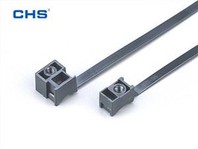
First off, what exactly are cable tie handcuffs? They're essentially those strong, flexible nylon ties that can be used to restrain stuff, or in this case, people in a pinch. They've got a locking mechanism that once it's on, it's pretty hard to get off without some cutting tools.
Alright, let's talk about the pros of using cable tie handcuffs at home. One major plus is their affordability. You can buy a pack of these for a relatively low price, and they come in handy for all sorts of situations. For example, let's say you've got rowdy kids at a birthday party who won't settle down. A gentle tap on the wrist with a cable tie handcuff (not too tight, of course) can get them to behave for a bit.
Another advantage is their portability. They're small and lightweight, so you can stash them in your drawer, glove compartment, or even your pocket. In case of an emergency, like a break - in, and you manage to subdue the intruder temporarily, cable tie handcuffs can be there to help you hold them until the cops arrive.


But hey, it's not all sunshine and rainbows. There are some cons to consider before you start using them at home. One big issue is the risk of injury. If you tighten the cable tie too much, it can cut off circulation, cause bruising, or even more serious damage. And let's not forget about the legal aspects. Depending on where you live, using cable tie handcuffs on someone without proper authorization can land you in some hot water.
Now, let's dig a bit deeper into the types of cable ties that are related to our cable tie handcuffs. There are Metal Detectable Cable Ties. These are super useful in environments where you need to detect if a cable tie has broken off and is mixed in with the product. For example, in food processing plants, if a piece of a cable tie were to end up in the food, it could be detected with a metal detector.
Then we have Double Locking Cable Ties. These are extra secure. The double - locking mechanism makes it even more difficult for the tie to come undone, which can be great if you're using them for something that requires a high level of restraint.
Lastly, Chassis Cable Ties are designed for a bit more heavy - duty work. They're often used in automotive or industrial settings to secure wires and cables in place.
Back to home use, if you do decide to keep cable tie handcuffs at home, you need to use them responsibly. Always make sure you're not crossing any legal boundaries. And if you're using them to restrain someone, make sure it's only in a situation where it's absolutely necessary for self - defense or to protect others.
So, are cable tie handcuffs suitable for home use? It depends. If you understand the risks, know how to use them properly, and follow the law, they can be a useful addition to your home safety toolkit. But if you're not careful, they can cause more harm than good.
If you're interested in stocking up on cable tie handcuffs or any of their related products like the ones I mentioned earlier, don't hesitate to reach out. We've got a wide range of options to suit your needs. Whether you need them for home, as a security professional, or for industrial use, we can help you find the right product.
Let's chat about your requirements and see how we can work together to get you the best cable tie solutions.
References:
- General knowledge about cable tie products and their applications
- Experience in the cable tie business as a supplier