Do PE ties have a smooth surface? This is a question that often comes up when discussing the characteristics of polyethylene (PE) cable ties. As a PE ties supplier, I've had numerous conversations with customers regarding this topic, and I'm here to provide a comprehensive answer based on scientific knowledge and practical experience.
Understanding PE Ties
Polyethylene is a widely used thermoplastic polymer known for its versatility and durability. PE cable ties are made from this material and are used in a variety of applications, including cable management, bundling objects, and securing items in place. The surface texture of PE ties can vary depending on several factors, such as the manufacturing process, additives used, and the intended application.
Manufacturing Process and Surface Texture
The manufacturing process of PE ties plays a significant role in determining their surface smoothness. Most PE ties are produced through an extrusion process, where the molten polyethylene is forced through a die to form the desired shape. During this process, the surface of the tie can be influenced by factors such as the temperature, pressure, and speed of extrusion.


If the extrusion process is carefully controlled, it is possible to produce PE ties with a relatively smooth surface. However, minor variations in the process parameters can result in a slightly rough or textured surface. For example, if the temperature is too high or the extrusion speed is too fast, the surface of the tie may develop small ridges or bumps. On the other hand, if the temperature is too low or the pressure is insufficient, the tie may have a dull or uneven appearance.
Additives and Surface Characteristics
In addition to the manufacturing process, the use of additives can also affect the surface smoothness of PE ties. Additives are substances that are added to the polyethylene during the manufacturing process to enhance certain properties of the material. For example, some additives can improve the UV resistance, flexibility, or flame retardancy of the ties.
Certain additives can also have an impact on the surface texture of the ties. For instance, anti - slip additives may be used to increase the friction between the tie and the objects it is securing. These additives can create a slightly rough surface, which can be beneficial in applications where a secure grip is required. On the other hand, lubricating additives can be used to make the surface of the tie smoother, reducing friction and making it easier to install and remove the tie.
Applications and Surface Requirements
The intended application of the PE ties also influences the desired surface smoothness. In some applications, a smooth surface is preferred. For example, in the electronics industry, where cable ties are used to organize and secure cables, a smooth surface is less likely to damage the delicate insulation of the cables. Additionally, smooth - surfaced ties are easier to clean and maintain, which is important in environments where cleanliness is a priority.
In other applications, a slightly rough or textured surface may be more advantageous. For example, in outdoor applications where the ties need to withstand harsh weather conditions and strong winds, a textured surface can provide better grip and prevent the ties from slipping. Similarly, in industrial settings where the ties are used to secure heavy objects, a rough surface can help to distribute the load more evenly and prevent the tie from breaking under stress.
Our Product Range
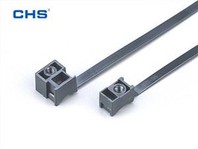
As a PE ties supplier, we offer a diverse range of products to meet the different needs of our customers. Our product line includes Mounted Head Cable Tie, which are designed for easy installation and secure mounting. These ties typically have a smooth surface to ensure that they do not damage the mounting surface or the objects they are securing.
We also provide Beaded Cable Ties, which feature a unique beaded design. The beads on these ties can provide additional grip and can be useful in applications where a stronger hold is required. While the beaded design may give the ties a slightly textured appearance, the overall surface is still relatively smooth and easy to handle.
Another popular product in our range is the Dual Lock Cable Ties. These ties use a dual - locking mechanism to provide a secure and adjustable hold. The surface of the dual - lock ties is carefully engineered to ensure smooth operation and reliable performance.
Quality Control
At our company, we understand the importance of providing high - quality PE ties with consistent surface characteristics. To ensure this, we have implemented a rigorous quality control process. Our manufacturing facilities are equipped with state - of - the - art equipment and technology to monitor and control the extrusion process. We also conduct regular inspections and tests on our products to ensure that they meet the highest standards of quality and performance.
During the production process, we carefully select the raw materials and additives to ensure that they are of the highest quality and are compatible with each other. We also perform surface roughness tests on a regular basis to ensure that the ties meet the specified surface smoothness requirements. Any products that do not meet our quality standards are rejected and recycled.
Conclusion
In conclusion, whether PE ties have a smooth surface depends on a variety of factors, including the manufacturing process, the use of additives, and the intended application. While it is possible to produce PE ties with a smooth surface, there are also situations where a slightly rough or textured surface may be more beneficial.
As a PE ties supplier, we are committed to providing our customers with high - quality products that meet their specific needs. Our diverse product range, combined with our strict quality control measures, ensures that we can offer the right solution for every application.
If you are in the market for PE ties and have specific requirements regarding the surface smoothness or other properties of the ties, we encourage you to contact us for a detailed discussion. Our team of experts is ready to assist you in selecting the most suitable product for your needs and to provide you with professional advice on installation and usage.
References
- "Polyethylene: Structure, Properties, and Applications" by R. B. Seymour.
- "Cable Management Handbook" by industry experts in the field of electrical engineering.
- Technical reports from leading manufacturers of polyethylene cable ties.