
What is a self - locking cable tie?
As a supplier of self - locking cable ties, I am excited to share in - depth knowledge about these incredibly useful products. Self - locking cable ties, also known as zip ties, are one of the most versatile and commonly used fasteners in various industries.
Structure and Design
A self - locking cable tie typically consists of a flexible nylon strap with teeth on one side and a ratchet mechanism at the head. The design is straightforward yet highly effective. When the strap is inserted through the ratchet head, the teeth on the strap engage with the ratchet. This creates a one - way locking action, allowing the strap to be tightened but preventing it from loosening. The more you pull the strap through the head, the tighter the tie becomes, and it will hold firmly in place once you stop pulling.
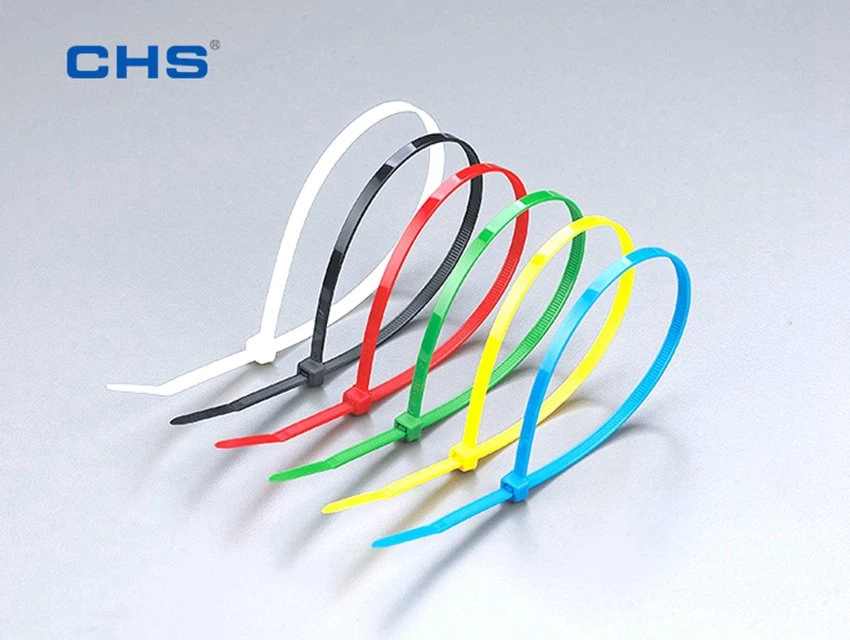

The materials used in manufacturing self - locking cable ties are crucial for their performance. Most commonly, they are made from nylon 6/6, which offers excellent strength, durability, and resistance to environmental factors such as moisture, chemicals, and UV rays. Nylon 6/6 can withstand a wide range of temperatures, from extremely cold to moderately high, making it suitable for both indoor and outdoor applications.
Applications
The applications of self - locking cable ties are vast and diverse. In the electrical industry, they are used to bundle wires and cables together. This not only keeps the wiring organized but also helps prevent damage caused by loose wires rubbing against each other. Electricians often rely on self - locking cable ties to secure cables in electrical panels, control boxes, and building wiring systems. For example, in a large data center, thousands of cables need to be neatly arranged, and self - locking cable ties are the ideal solution to achieve this.
In the automotive industry, self - locking cable ties are used to secure hoses, wires, and other components. They can withstand the vibrations and harsh conditions under the hood of a vehicle. Mechanics use them to keep wiring harnesses in place, ensuring that electrical connections remain stable and reliable. Additionally, they are used in the assembly of cars to hold various parts together during the manufacturing process.
The telecommunications industry also benefits greatly from self - locking cable ties. With the increasing demand for high - speed internet and mobile communication, there are countless cables in telecommunications networks. Self - locking cable ties are used to manage these cables in cell towers, data centers, and telecommunications closets. They help maintain the integrity of the network by preventing cable entanglement and ensuring proper cable management.
In the construction industry, self - locking cable ties are used for temporary and permanent installations. They can be used to secure scaffolding components, bundle pipes, and fasten construction materials. Their ease of use and reliability make them a popular choice on construction sites.
Types of Self - Locking Cable Ties
There are different types of self - locking cable ties to meet various needs.
Dual Lock Cable Ties are a specialized type. They have a double - locking mechanism, which provides extra security. This makes them ideal for applications where the cable tie needs to withstand high tension or where there is a risk of accidental loosening. For example, in heavy - duty industrial settings where vibrations are common, dual lock cable ties can ensure that cables remain firmly bundled.
In Line Cable Ties are designed for applications where a long - length cable tie is required. They can be connected end - to - end to create a continuous tie, allowing for the bundling of large - scale cables or objects. This type of cable tie is often used in industrial settings, such as factories or power plants, where long - distance cable management is necessary.
Self Locking Nylon Cable Tie is the most common type. It is available in various sizes, from small ties for delicate wires to large ties for heavy - duty applications. These cable ties are suitable for a wide range of general - purpose applications, including home use, DIY projects, and light - industrial applications.
Advantages
One of the main advantages of self - locking cable ties is their ease of use. They can be installed quickly and easily without the need for special tools. All you need to do is insert the strap through the ratchet head and pull it tight. This makes them a cost - effective solution, as it reduces labor time and costs.
Another advantage is their high strength. Nylon self - locking cable ties can withstand significant tension, ensuring that they can hold heavy bundles of cables or objects securely. They also have good resistance to abrasion, which means they can last a long time even in harsh environments.
Self - locking cable ties are also highly customizable. They come in different colors, allowing for color - coding in cable management systems. This makes it easier to identify different types of cables or circuits, improving efficiency and safety.
Limitations
Despite their many advantages, self - locking cable ties also have some limitations. Once a cable tie is tightened, it is difficult to loosen or reuse. In most cases, you need to cut the tie to remove it, which can be a drawback if you need to make changes to the cable bundle in the future. However, there are reusable cable ties available on the market that address this issue to some extent.
Another limitation is that they may not be suitable for applications where a very high - temperature environment is involved. Although nylon 6/6 can withstand moderately high temperatures, in extremely hot conditions, the plastic may start to deform or lose its strength.
Quality Assurance
As a supplier, we understand the importance of quality assurance. We ensure that our self - locking cable ties are manufactured to the highest standards. We use high - quality raw materials and advanced manufacturing processes to ensure the strength, durability, and reliability of our products. Each batch of cable ties undergoes strict quality control tests, including tension tests, temperature tests, and UV resistance tests.
Conclusion
Self - locking cable ties are an essential and versatile fastening solution used in a wide range of industries. Their simple yet effective design, ease of use, and high performance make them a popular choice for cable management and other applications. Whether you are an electrician, mechanic, construction worker, or simply someone looking for a reliable way to organize cables at home, self - locking cable ties can meet your needs.
If you are interested in purchasing self - locking cable ties or have any questions about our products, please feel free to contact us for a detailed discussion and procurement negotiation. Our team of experts is ready to assist you in finding the right cable ties for your specific requirements.
References
- "Handbook of Plastic Materials and Technology" by Irving I. Rubin
- "Cable Management Best Practices" by industry whitepapers
- "Automotive Fasteners and Their Applications" by automotive engineering journals


